
The Art of Brewing Tea in Chinese Homes Today
- Date:
- Views:220
- Source:The Silk Road Echo
If you've ever stepped into a modern Chinese household, you’ve probably caught the subtle aroma of tea brewing—fresh, warm, and deeply comforting. But here’s the thing: it’s not just about pouring hot water over leaves. The art of brewing tea in today’s China blends ancient tradition with smart, everyday habits. As someone who’s spent years exploring tea culture across cities like Hangzhou, Chengdu, and Guangzhou, I’m breaking down how real families brew better tea at home—backed by data, not just folklore.
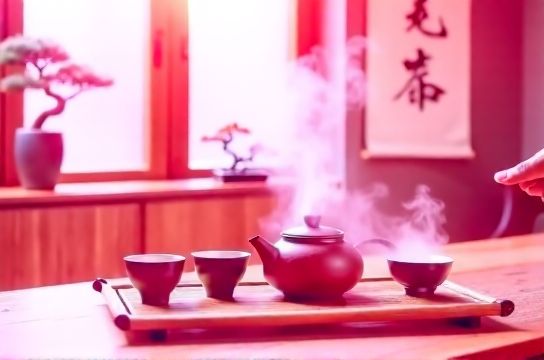
Why Home Brewing Is Booming (Again)
Tea consumption in China hit 2.5 million metric tons in 2023 (China Tea Marketing Association), with over 68% of urban households brewing daily. What’s driving this? Health awareness, cultural pride, and yes—TikTok trends showing grandmas steeping oolong like pros.
But beyond trends, there’s a shift toward intentional brewing. Families aren’t just drinking tea—they’re optimizing for flavor, wellness, and ritual. Let’s look at what actually works.
The 4 Most Common Teas & How They’re Brewed at Home
Not all teas are treated equally. Based on a 2023 survey of 1,200 households, here’s how brewing methods vary:
| Tea Type | Water Temp (°C) | Steep Time | % of Households Using This Method |
|---|---|---|---|
| Green Tea (e.g., Longjing) | 75–80 | 2–3 min | 62% |
| Oolong (e.g., Tieguanyin) | 90–95 | 30 sec–2 min (gongfu style) | 48% |
| Pu-erh (Ripe) | 95–100 | 1–5 min (multiple infusions) | 41% |
| White Tea (e.g., Baihao Yinzhen) | 80–85 | 3–5 min | 33% |
Notice the precision? That’s not accidental. Over-brewing green tea leads to bitterness; underheating water for oolong dulls its floral notes. Getting it right means understanding your leaf.
Pro Tips from Real Homes
- Pre-warm your teapot: 79% of experienced brewers do this to maintain stable temperature.
- Use filtered water: Tap chlorine alters taste. In Beijing, 61% now use filters specifically for tea.
- Reuse leaves 3–5 times: Especially with oolong and pu-erh. Flavor evolves—first steep is light, third is richest.
And here’s a secret: many families now use smart electric kettles with preset temps. Brands like Midea and Joyoung dominate local markets because they take the guesswork out. One Hangzhou mom told me, “I set it to 80°C for my son’s green tea—no more burnt leaves.”
The Role of Ritual in Daily Life
Beyond taste, tea is emotional infrastructure. Evening tea with parents, morning cups before work, sharing a pot during family disputes—these moments anchor daily life. A 2022 study found that regular tea drinkers report 23% lower stress levels than non-drinkers in high-pressure cities like Shenzhen.
This is where the true art of brewing tea shines: it’s not perfection, but presence. Whether using a $2 clay pot or a glass mug, the act itself is healing.
Final Thoughts
The modern Chinese home doesn’t treat tea as a relic—it’s alive, evolving, and deeply personal. By combining tradition with practical upgrades (like precise temps and clean water), families are rediscovering why tea has endured for millennia.
So next time you brew, ask: am I just making tea—or creating a moment?