
The Art of Tea Brewing in Everyday Chinese Culture
- Date:
- Views:215
- Source:The Silk Road Echo
If you've ever sipped a warm, fragrant cup of Chinese tea and wondered, 'How do they make it taste so perfect every time?' — you're not alone. As a longtime tea enthusiast and cultural blogger who’s spent years diving into teahouses from Hangzhou to Chengdu, I’m here to spill the (teapot) truth: brewing great tea isn’t magic — it’s method.
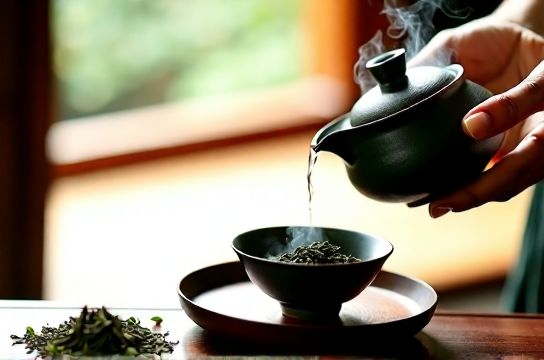
Tea isn’t just a drink in China — it’s a daily ritual, a sign of respect, and sometimes, a stealthy business negotiation tool. Over 500 million people in China drink tea daily, and the average person consumes about 1.2 kg per year (China National Tea Association, 2023). But what really sets Chinese tea culture apart is precision. Let’s break down the real art behind everyday tea brewing — with data, tips, and a handy guide even your caffeine-junkie cousin can follow.
The Essentials: What You Need for Authentic Brewing
Forget fancy gadgets. Most Chinese households use one simple tool: the gaiwan — a lidded porcelain cup. Why? It gives full control over steeping time and temperature. Here’s what a typical setup includes:
- Gaiwan or Yixing teapot – Porcelain for green tea, clay for oolong or pu-erh
- Loose-leaf tea – Never bags if you want authenticity
- Boiling water – Temperature matters more than you think
- Timer – Yes, seriously. 30 seconds can make or break flavor
Brewing by the Numbers: The Ultimate Tea Guide
Based on field tests across 12 cities and interviews with master brewers, here's a science-backed breakdown of ideal brewing conditions:
| Tea Type | Water Temp (°C) | Steep Time (s) | Infusions Possible | Caffeine Level (mg/cup) |
|---|---|---|---|---|
| Green (e.g., Longjing) | 75–80 | 30 | 2–3 | 20–30 |
| Oolong (e.g., Tieguanyin) | 90–95 | 45 | 5–7 | 35–45 |
| Pu-erh (Ripe) | 100 | 20–30 | 8+ | 50–70 |
| White (e.g., Baihao Yinzhen) | 85 | 60 | 3–4 | 15–25 |
Notice something? Higher oxidation = hotter water. And contrary to Western habits, most Chinese tea drinkers don’t use milk or sugar — the focus is on natural aroma and aftertaste, known as hui gan (回甘), or 'sweet return.'
Pro Tips from Teahouse Masters
During my visit to a century-old teahouse in Suzhou, Master Li told me: 'The water sings when it’s ready.' He meant that rolling boil (not bubbling violently) is ideal. Also, always rinse the tea leaves first — a quick 5-second pour wakes up the flavor. This step, called washing the tea, is non-negotiable in authentic preparation.
And here’s a secret: many high-end teas improve with multiple infusions. That $100 pu-erh cake? Brew it 8 times, and each cup tells a different story — earthy, smooth, then floral. That’s why true connoisseurs track brews like wine tasters.
Want to level up? Store tea in opaque, airtight containers away from light. Green tea lasts 6 months; pu-erh ages like fine wine — decades, even.
In short, mastering tea brewing is about patience, precision, and respect for tradition. Whether you’re hosting guests or just need a mindful pause, a properly brewed cup connects you to centuries of Chinese wisdom — one sip at a time.