
What Makes Local Markets China So Unique Today
- Date:
- Views:199
- Source:The Silk Road Echo
If you've ever wandered through a bustling alley in Beijing, haggled over spices in Kunming, or sniffed freshly steamed buns at a Shanghai morning market—you’ve touched the soul of China. Forget sterile supermarkets; local markets in China are where culture, flavor, and daily life collide in the most delicious, chaotic, and authentic way.
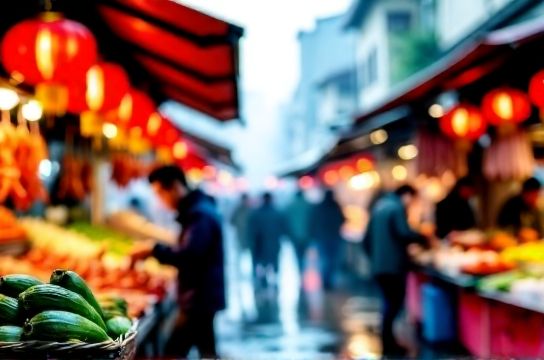
The Heartbeat of Chinese Daily Life
Local markets aren’t just places to buy food—they’re social hubs, cultural time capsules, and economic engines all rolled into one. Unlike Western grocery chains, these markets thrive on human interaction. Vendors know your face. They remember how you like your ginger—thinly sliced, please—and whether you prefer free-range eggs.
According to China’s Ministry of Commerce, over 70% of fresh produce in urban areas is still sold through traditional wet markets. That’s millions of transactions every day, driven by trust, freshness, and unbeatable prices.
Why Are They So Different?
First, let’s talk about variety. Walk into any mid-sized city’s market and you’ll find more types of greens than most Europeans see in a lifetime. Bok choy, gai lan, water spinach, fuzzy melon, century eggs, duck blood—exotic? Maybe. Delicious? Absolutely.
Second, the sensory overload is real. The sizzle of street grills, the pungent whiff of fermented tofu, the rhythmic thud of cleavers chopping meat—it’s not just shopping; it’s performance art.
A Glimpse Into Key Market Types
China’s local markets come in many flavors. Here’s a quick breakdown:
| Market Type | Specialty | Best For | Location Hotspots |
|---|---|---|---|
| Wet Markets | Fresh meat, seafood, produce | Authentic home cooking | Shanghai, Guangzhou, Chengdu |
| Night Markets | Street food, snacks, souvenirs | Tourists & late-night cravings | Xi’an Muslim Quarter, Beijing Wangfujing |
| Farmers' Markets | Organic/local produce | Health-conscious shoppers | Kunming, Hangzhou |
| Dry Goods Markets | Spices, tea, dried herbs | Cooking enthusiasts | Chengdu, Guilin |
More Than Just Food: Culture On Display
These markets preserve traditions that supermarkets can’t replicate. In Chengdu, grandmas hand-pull noodles while gossiping with neighbors. In Guangzhou, herbalists mix custom remedies based on your 'qi'. It’s holistic living, passed down for generations.
And yes—bargaining is expected (but polite). A smile and a modest counter-offer go further than aggressive haggling. Pro tip: arrive late afternoon for the best deals as vendors look to close out their stock.
Modern Challenges & Digital Evolution
With the rise of e-commerce giants like Meituan and Alibaba’s Hema, some wonder if traditional markets will fade. But here’s the twist: many are adapting. QR code payments? Check. Same-day delivery via mini-programs? Double check.
In fact, Hema has partnered with wet markets to digitize inventory and logistics, blending old-school charm with new-age efficiency. The result? Freshness meets speed.
Final Bite: Why You Should Visit
Local markets in China offer more than groceries—they deliver connection. Whether you're a traveler seeking authenticity or a local cherishing routine, these spaces remind us that food isn’t just fuel. It’s memory, identity, and community.
So next time you’re in China, skip the mall. Follow the smell of roasting chestnuts, dive into the crowd, and let the market guide you. You might just leave with a bag full of veggies—and a heart full of stories.