
Why Chinese Street Food Is the Soul of Daily Life
- Date:
- Views:252
- Source:The Silk Road Echo
If you've ever wandered through a bustling night market in Chengdu, smelled sizzling skewers in Xi'an, or queued up with locals for a steaming jianbing in Beijing, you’ve touched the heartbeat of China — not in its palaces or skyscrapers, but on the streets, where food fuels life.
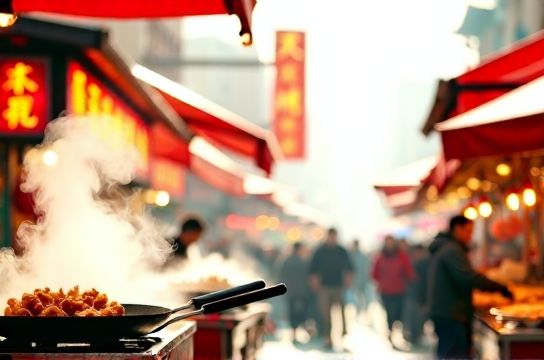
Chinese street food isn’t just about quick bites; it’s culture on a plate. It’s where tradition meets hustle, flavor dances with affordability, and every bite tells a story centuries in the making.
The Flavorful Backbone of Urban Life
In cities like Shanghai and Guangzhou, over 65% of daily meals are consumed outside the home, according to a 2023 report by China Food and Drug Administration. Street vendors supply nearly 40% of that off-premise consumption. Why? Because it’s fast, delicious, and deeply personal.
From chuanr (spicy lamb skewers) in the north to dan dan mian in Sichuan and cheung fun in Hong Kong, each region boasts signature street eats rooted in local climate, history, and soul.
More Than Taste: The Social Fabric
Street food is China’s original social network. Night markets function as community hubs — places to meet friends, debate politics, or simply unwind after work. In fact, a 2022 survey found that 78% of urban millennials visit street food spots at least twice a week, not just for food, but for the vibe.
It’s also an economic lifeline. Over 30 million people in China earn their livelihood from informal food vending, many of them migrants or retirees seeking flexible income.
Taste the Culture: Regional Street Food Highlights
Let’s break down some iconic street foods across China:
| Region | Dish | Key Ingredients | Avg. Price (RMB) |
|---|---|---|---|
| Sichuan | Dan Dan Noodles | Noodles, minced pork, chili oil, Sichuan pepper | 8–12 |
| Xi’an | Roujiamo (Chinese Hamburger) | Braised pork, flatbread, cilantro | 10–15 |
| Shanghai | Xiaolongbao | Pork, gelatin broth, steamed buns | 12–18 |
| Guangdong | Cheung Fun (Rice Noodle Rolls) | Rice noodles, shrimp or beef, sesame sauce | 6–10 |
| Beijing | Jianbing (Savory Crepe) | Egg, youtiao, hoisin sauce, scallions | 5–8 |
These dishes aren’t just cheap eats — they’re culinary heirlooms passed down through generations, often perfected by vendors who’ve spent decades mastering one recipe.
Why It Works: Simplicity, Speed, and Soul
What makes Chinese street food unbeatable? Three things:
- Speed: Most dishes take under 3 minutes to prepare.
- Flavor: Layers of umami, spice, and aroma packed into handheld portions.
- Accessibility: A full meal costs less than $2 in most cities.
And let’s be real — where else can you get restaurant-quality taste without the markup?
The Future of Street Eats
Despite urbanization and rising rents, street food thrives. Cities like Chengdu and Xiamen now license ‘gourmet alleyways,’ blending hygiene standards with authenticity. Meanwhile, apps like Meituan deliver street favorites to doorsteps — proving these flavors aren’t going anywhere.
So next time you’re in China, skip the fancy restaurants. Follow the smoke, the scent, and the crowd. That’s where you’ll find the soul of daily life — served hot, fresh, and straight from the wok.