
Living Like a Local Immersed in China's Vibrant Market Life
- Date:
- Views:258
- Source:The Silk Road Echo
If you've ever strolled through a bustling morning market in Chengdu, haggled over silk scarves in a Beijing alleyway, or sipped freshly pressed sugarcane juice from a street vendor in Guangzhou, you’ve already tasted the soul of China — not in its skyscrapers, but in its markets.
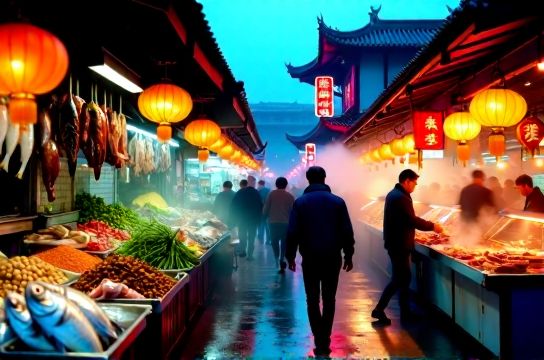
China’s market culture isn’t just about buying and selling. It’s a living, breathing rhythm of daily life. From wet markets brimming with exotic produce to night bazaars pulsing with neon lights, these spaces are where locals connect, bargain, and celebrate flavor, tradition, and community.
The Pulse of Daily Life: Wet Markets
In cities like Shanghai and Hangzhou, wet markets open before sunrise. These aren’t your sterile supermarkets. Think live frogs hopping in crates, vendors shouting over one another, and the scent of fresh fish mingling with ginger and garlic. Over 70% of Chinese consumers still prefer wet markets for their daily groceries (China Daily, 2023).
| Market Type | Typical Hours | Popular Items | Best Cities to Experience |
|---|---|---|---|
| Wet Market | 5:00 AM – 1:00 PM | Fresh meat, seafood, vegetables | Shanghai, Chengdu, Xiamen |
| Night Market | 6:00 PM – 12:00 AM | Street food, souvenirs, fashion | Xi’an, Chongqing, Taipei* |
| Flea & Vintage Market | 10:00 AM – 8:00 PM | Antiques, crafts, secondhand goods | Beijing, Kunming, Suzhou |
*Note: While Taipei is in Taiwan, its night markets remain iconic and accessible to many international travelers.
Bite into the Action: Night Markets
Hungry? Head to Xi’an’s Muslim Quarter. This 1,200-meter lane serves up centuries of culinary fusion. Try roujiamo (China’s “burger”), yangrou paomo (crumbled flatbread in mutton soup), and stinky tofu if you dare. One stall alone can serve over 500 bowls a night.
But it’s not just food. Night markets are sensory playgrounds. In Chongqing, vendors sell handmade chopsticks, glow-in-the-dark toys, and even fortune readings between skewers of grilled lamb.
Pro Tips for Travelers
- Arrive early: Beat the crowds and get first pick at fresh produce.
- Bring cash: While mobile pay dominates, smaller vendors may not accept digital payments.
- Bargain politely: A smile goes further than aggressive haggling. Start at 60% of the quoted price.
- Dress to blend: Locals wear comfy shoes and casual clothes — so should you.
Want authenticity? Skip the tourist traps. Ask your hostel staff: “附近最地道的市场是哪个?” (“Which is the most authentic market nearby?”). You’ll likely be pointed to a hidden gem where grandmas sell homemade pickles and fishermen display their morning catch on ice.
Why Market Culture Matters
Markets preserve heritage. In Yunnan, Dai minority vendors sell herbs used in traditional medicine. In Suzhou, silk farmers showcase handwoven fabrics unchanged for generations. These aren’t performances — they’re livelihoods.
And yes, some markets are going digital. Alibaba’s Hema stores blend app-based shopping with fresh-market vibes. But nothing replaces the human touch — the wink from a fruit seller who remembers your favorite melon, or the auntie who slips an extra scallion pancake into your bag “for good luck.”
So next time you're in China, don’t just visit the Great Wall. Wander the back-alley markets. Taste, touch, talk. That’s where China truly comes alive.