
Immersing in Tea Culture China From Garden to Teacup Ritual
- Date:
- Views:255
- Source:The Silk Road Echo
Ever wondered why a simple cup of tea in China feels like a spiritual experience? It’s not just about the brew—it’s about the journey from misty mountain gardens to your teacup, steeped in centuries of ritual and reverence. Welcome to the soul of Chinese tea culture, where every sip tells a story.
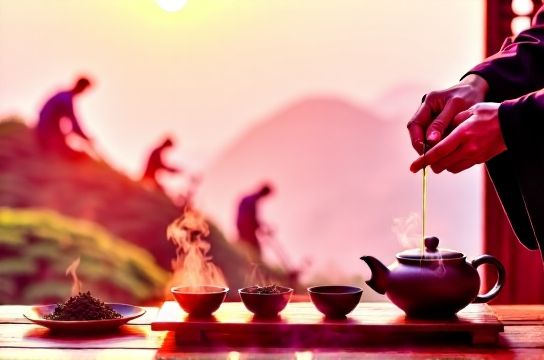
China produces over 3 million tons of tea annually, dominating global output. But beyond numbers, it’s the tradition, craftsmanship, and mindfulness that set it apart. Whether you're sipping delicate Longjing in Hangzhou or bold Pu-erh in Yunnan, each variety carries the essence of its terroir and the hands that shaped it.
The Heartbeat of Chinese Tea: Major Varieties & Regions
China classifies tea into six main types: green, black (called hong cha), oolong, white, yellow, and dark (like Pu-erh). Each reflects unique processing methods and regional pride.
| Tea Type | Famous Example | Region | Caffeine Level | Average Price (USD/100g) |
|---|---|---|---|---|
| Green | Longjing (Dragon Well) | Hangzhou, Zhejiang | Medium | 15–40 |
| Oolong | Tieguanyin | Anxi, Fujian | Medium-High | 20–50 |
| Dark (Pu-erh) | Sheng Pu-erh | Xishuangbanna, Yunnan | High | 10–100+ |
| White | Baihao Yinzhen | Fuding, Fujian | Low | 25–60 |
As you can see, prices vary widely—especially for aged Pu-erh cakes, which can fetch hundreds due to their collectible nature.
From Garden to Gongfu: The Ritual Unfolds
Tea in China isn’t rushed. The gongfu cha (skillful tea) method, especially popular in Chaozhou and Fujian, turns brewing into an art. Using small Yixing clay pots or gaiwans, tea masters perform precise, meditative steps: warming the vessel, rinsing the leaves, and multiple short infusions—each revealing new layers of flavor.
Imagine this: steam rising from a hand-fired Longjing pan, plucked at dawn, then heated in a wok within hours. That freshness? Lost in mass production. Artisanal teas are often harvested only during specific windows—like Ming Qian (pre-Qingming) Longjing—making them rare and pricier.
Why This Ritual Still Matters
In fast-paced cities like Shanghai or Shenzhen, traditional tea houses offer quiet resistance to digital overload. A 2023 survey found that 68% of urban Chinese millennials visit tea houses monthly—not just for taste, but for mindfulness and connection.
And let’s talk sustainability: many small farms now embrace organic practices, preserving biodiversity in tea-growing regions. When you choose loose-leaf over tea bags (which often contain dust and fannings), you support both quality and ecology.
Your Personal Tea Journey: Tips to Dive In
- Start simple: Try a high-quality green or oolong. Avoid supermarket blends—they rarely reflect true character.
- Brew with care: Use fresh, filtered water. Green teas shine at 75–80°C; black and oolongs need near-boiling.
- Invest in tools: A glass gaiwan lets you watch leaves unfurl. Yixing pots enhance flavor over time.
- Visit tea regions: Tourists can join harvests in Hangzhou or explore ancient tea horse trails in Yunnan.
Ultimately, Chinese tea culture isn’t about perfection—it’s presence. It’s watching sunlight filter through bamboo as you pour your third infusion, noticing how the aroma deepens. It’s conversation slowing down. It’s history, in a cup.
So next time you brew, don’t just drink—immerse. Because in China, tea isn’t consumed. It’s experienced.