
The Heart of Local Lifestyle China Lies in Its Tea Houses
- Date:
- Views:276
- Source:The Silk Road Echo
If you've ever wandered down a narrow alley in Chengdu, strolled through a hutong in Beijing, or meandered along the canals of Suzhou, you’ve probably heard the gentle clink of teacups and smelled the delicate aroma of oolong wafting from a tucked-away tea house. These aren’t just places to grab a drink—they’re cultural sanctuaries where time slows, conversations deepen, and the soul of Chinese daily life truly breathes.
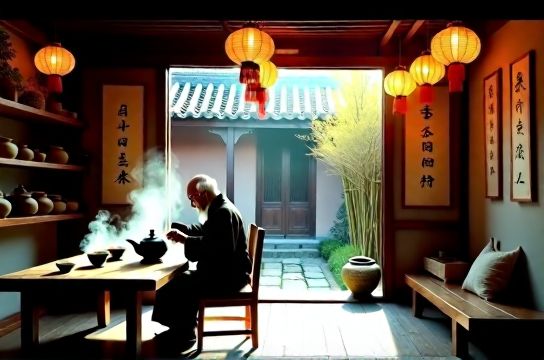
Tea houses in China are far more than beverage vendors. They're social hubs, philosophical retreats, and living museums rolled into one. In cities like Hangzhou—home to the famed Longjing (Dragon Well) green tea—or Fuzhou, where jasmine tea blossoms perfume the air, tea houses serve as anchors of tradition in a rapidly modernizing world.
Let’s pour a cup and explore why these serene spaces capture the essence of local Chinese lifestyle.
The Ritual Behind the Brew
In China, drinking tea isn’t rushed. It’s a ritual steeped in mindfulness. From the careful selection of leaves to the precise water temperature and infusion time, every step is intentional. Take Gongfu Cha, the 'skillful tea' method popular in Fujian and Guangdong. It uses small clay Yixing pots and multiple short steeps, revealing evolving flavor layers with each pour.
Data shows that over 50% of urban Chinese adults visit a tea house at least once a month, according to a 2023 survey by China Food and Beverage Association. For many, it's not about caffeine—it’s about connection.
Tea Culture by the Numbers
Beyond anecdote, let’s look at some key stats:
| Aspect | Statistic | Source |
|---|---|---|
| Annual Tea Consumption per Capita (China) | 0.6 kg | UN FAO, 2022 |
| Total Tea House Count (Mainland China) | ~480,000 | China Chain Store Association, 2023 |
| Most Popular Tea Type | Green Tea (62%) | National Health Commission Survey |
| Avg. Time Spent in Tea House (per visit) | 90 minutes | Urban Lifestyle Report, 2023 |
These numbers reflect more than habit—they reveal a culture that values pause, presence, and personal exchange.
More Than Just Tea: What Happens Inside
Step into a traditional tea house, and you might find retirees playing mahjong, artists sketching by moonlit courtyards, or young professionals unwinding after work. Some venues host live Pingshu (storytelling), guqin music, or calligraphy demos—blending leisure with cultural preservation.
In Chengdu alone, tea houses often double as community centers. Locals gather in parks like People’s Park, where bamboo chairs line lakeside paths and waiters balance 10-cup tea trays on long poles—a sight both poetic and practical.
Modern Twists on an Ancient Tradition
While tradition thrives, innovation blooms too. Urban chains like Heytea and Chagee fuse heritage with hip aesthetics, attracting younger crowds with matcha lattes and cheese foam teas. Yet even these trendy spots often reference classical elements—ceramic ware, minimalist interiors, seasonal menus rooted in lunar cycles.
The result? A tea culture that’s both timeless and timely.
How to Experience It Like a Local
- Arrive open-minded: Don’t rush. Stay for at least two infusions.
- Ask about the leaves: Most tea masters love sharing origin stories.
- Say 'Yi bei qing cha' (一杯清茶): That means 'a cup of plain tea'—and signals you’re ready to savor, not sprint.
In a world obsessed with speed, China’s tea houses whisper a different rhythm: slow down, sip deeply, and simply be. That’s not just tea culture—that’s the heartbeat of local life.