
Discovering the Soul of China in Morning Markets
- Date:
- Views:230
- Source:The Silk Road Echo
If you want to feel China — not just see it — skip the tourist traps and head to a local morning market at dawn. These bustling bazaars aren’t just places to buy groceries; they’re living, breathing snapshots of everyday Chinese life, where tradition sizzles alongside modern hustle.
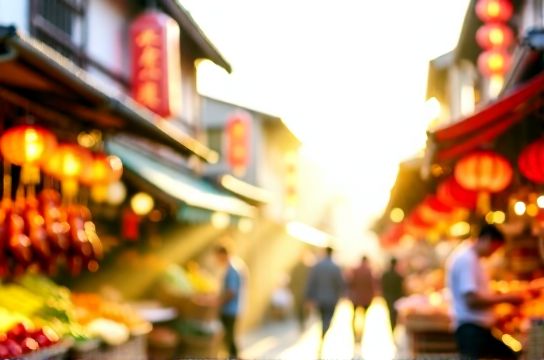
From the scent of steamed buns to the rhythmic chop of cleavers on wooden boards, morning markets awaken all five senses. Locals — mostly retirees and housewives — arrive before sunrise, armed with reusable bags and sharp bargaining skills. Vendors shout over one another, proudly displaying pyramids of seasonal fruit, glistening river fish, and herbs you’ve never seen (or pronounced) before.
Take Shanghai’s Yuyuan Market or Chengdu’s Jinjiang Market — these aren’t curated for tourists. They’re where real people shop, haggle, and socialize. In fact, according to a 2023 urban lifestyle survey by Peking University, over 68% of urban Chinese households still visit wet markets at least three times a week — proof that digital supermarkets haven’t killed the traditional experience.
Why Morning Markets Matter
Beyond fresh produce, these markets preserve cultural rhythms. Grandmas inspect eggplants like art curators. Butchers hand-cut pork with precision passed down generations. And yes — breakfast is served right there: think jianbing (savory crepes), you tiao (fried dough sticks), and soy milk so fresh it still steams in winter air.
The data speaks volumes:
| City | Market Name | Avg. Open Time | Peak Hours | Local Foot Traffic (Daily) |
|---|---|---|---|---|
| Beijing | Sanyuanli Market | 5:00 AM | 6:30–8:30 AM | ~4,200 |
| Shanghai | Yuyuan Market | 4:30 AM | 6:00–9:00 AM | ~5,800 |
| Chengdu | Jinjiang Market | 5:15 AM | 7:00–9:30 AM | ~3,900 |
| Guangzhou | Fangcun Vegetable Market | 4:00 AM | 5:30–8:00 AM | ~6,500 |
Notice a pattern? The earlier you go, the more authentic the vibe. By 9 AM, the energy fades — trucks pack up, steam from breakfast stalls vanishes, and the city shifts into office mode.
Tips for First-Timers
- Arrive early — 5:30 AM is golden hour for photos and people-watching.
- Bring cash — while mobile pay dominates, small vendors may not accept QR codes.
- Smile and point — language barriers melt fast with gestures and curiosity.
- Try street breakfast — follow locals to the busiest stall; it’s usually the best.
- Don’t be shy to touch — inspecting produce is normal, even expected.
Morning markets aren’t just about food — they’re community hubs. Neighbors catch up, kids sneak candy, and grandfathers debate politics over tea. It’s slow living in a fast-moving country.
In a world of sterile supermarkets and delivery apps, these markets are rebellions of authenticity. So next time you’re in China, set that alarm. Let the clatter of woks and chorus of bartering be your wake-up call. That’s where you’ll discover the soul of China — raw, real, and simmering in a bamboo steamer.