
A Guide to Chinese Street Food and Local Market Culture
- Date:
- Views:271
- Source:The Silk Road Echo
If you've ever wandered through a bustling night market in Taipei, smelled the sizzle of cumin-laced lamb skewers in Xi'an, or watched dumplings dance in boiling water in Chengdu, then you already know: Chinese street food isn’t just about eating—it’s a full sensory adventure. It’s where culture, community, and flavor collide in the most delicious way possible.
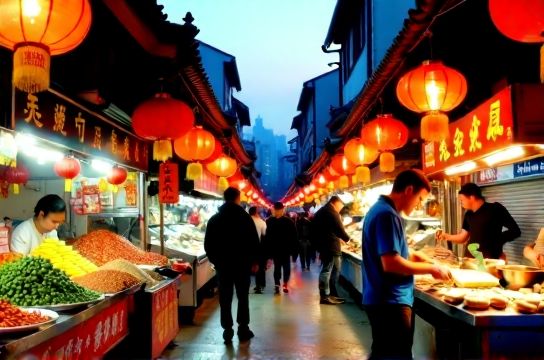
China’s street food scene is as diverse as its geography. From the spicy numbing delights of Sichuan to the delicate dim sum of Guangdong, every region boasts its own signature bites. But beyond the taste? It’s the local market culture that truly sets the experience apart. These aren’t sterile food courts—they’re lively hubs where generations gather, vendors shout specials, and strangers become friends over shared skewers.
The Heartbeat of the City: Why Street Markets Matter
In China, markets are more than places to buy food—they’re social anchors. According to a 2023 report by China Tourism Academy, over 68% of domestic travelers list 'trying local street food' as a top activity. That’s not just hunger; it’s cultural curiosity.
Vendors often inherit recipes from their parents—or even grandparents. Take jianbing, the crispy crepe-like breakfast staple. In Tianjin, one family-run stall has served the same recipe since 1954. That kind of tradition doesn’t happen in fast-food chains.
Taste the Regions: A Flavor Map
Here’s a quick breakdown of must-try dishes across China:
| Region | Dish | Key Ingredients | Why It’s Famous |
|---|---|---|---|
| Sichuan | Chuan Chuan Xiang | Beef, offal, chili oil, Sichuan peppercorns | Numbing-spicy broth, DIY skewer hot pot |
| Xinjiang | Lamb Skewers (Yangrou Chuan'er) | Fresh lamb, cumin, chili flakes | Smoky, aromatic, grilled over charcoal |
| Guangdong | Dim Sum (Har Gow, Siu Mai) | Shrimp, pork, bamboo steamers | Delicate flavors, morning tea tradition |
| Shaanxi | Roujiamo | Braised pork, flatbread | 'Chinese hamburger' with 2,000-year history |
| Jiangsu | Xiaolongbao | Pork, gelatin, soup-filled buns | Bursting with savory broth, steamed to perfection |
Pro Tips for Eating Like a Local
- Go early or go late: Popular stalls sell out by mid-afternoon. Night markets peak around 7–10 PM.
- Follow the queue: If locals are lining up, it’s usually worth the wait.
- Bring cash: While mobile pay (WeChat/Alipay) dominates, smaller vendors may only accept bills.
- Point and smile: Language barriers? Just point at what others are eating. Most smiles are universal.
Not Just Food—It’s a Lifestyle
Chinese street markets reflect resilience and innovation. During the pandemic, many vendors pivoted to delivery via apps like Meituan, yet still preserved authenticity. Today, they're thriving—not just as eateries, but as cultural landmarks.
In cities like Chengdu, governments have even designated 'time-honored street food zones' to protect culinary heritage. This blend of tradition and modernity is what makes the scene so dynamic.
So next time you’re in China, skip the fancy restaurant and hit the streets. Grab a seat on a tiny plastic stool, order something that smells incredible, and let the city come alive around you. Because real China? It’s not in the guidebooks. It’s on a skewer, in your hand, under neon lights.