
Living Like a Local in China Embracing the Market Rhythm
- Date:
- Views:195
- Source:The Silk Road Echo
If you've ever strolled through a bustling morning market in Chengdu or haggled for fresh lychees in Guangzhou, you know — China’s markets aren’t just places to shop. They’re cultural hubs, social stages, and daily rituals that pulse with life. To truly live like a local in China, you’ve got to sync with the rhythm of the market.
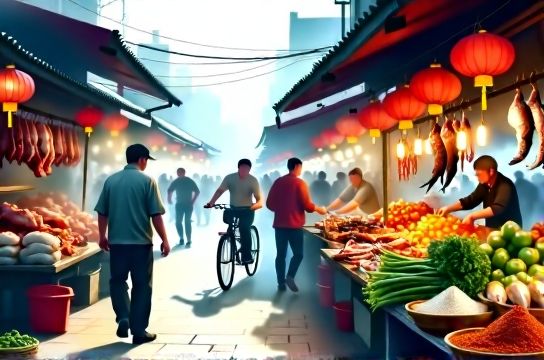
The Heartbeat of Daily Life
In China, over 75% of households still visit wet markets at least three times a week (National Bureau of Statistics, 2023). Why? Because freshness rules. Unlike supermarkets where produce might sit for days, here, fish are still flapping, bok choy is dewy, and tofu is made that morning.
Markets open early — think 5:30 AM early. That’s when vendors set up, grandmas arrive with woven baskets, and the air fills with sizzling oil and steamed buns. Missing this golden hour means missing the best picks — and the real local vibe.
Types of Markets You Should Know
Not all markets are the same. Here’s your cheat sheet:
| Market Type | Best For | Peak Hours | Tips |
|---|---|---|---|
| Wet Markets | Fresh meat, seafood, vegetables | 6:00–9:00 AM | Go early; bring small bills |
| Dry Markets | Spices, tea, dried goods | 9:00 AM–4:00 PM | Bargain gently; sample first |
| Night Markets | Street food, souvenirs | 6:00–10:00 PM | Cash only; watch hygiene |
How to Blend In (Like a Pro)
Want to stop looking like a tourist? Follow these local hacks:
- Bring a reusable bag — plastic bags cost 0.2–0.5 RMB, but most locals carry foldable cloth bags.
- Use cash for small vendors — while mobile pay dominates, tiny stalls may not have QR codes.
- Point and smile — if language fails, just point. Bonus points if you taste before buying — it’s expected!
- Arrive hungry — many markets have hidden breakfast gems: jianbing, xiaolongbao, or soy milk with youtiao.
Why This Beats Supermarkets
Sure, Walmart and盒马 (Hema) are convenient. But markets offer something algorithms can’t: human connection. Vendors remember your preferences. They’ll save the plumpest mushrooms for ‘that foreigner who likes stir-fry.’ That’s trust — built one transaction at a time.
Economically, markets support small-scale farmers and reduce food miles. A 2022 study found that produce in wet markets travels an average of 28 km, versus 220 km for supermarket chains.
Final Tip: Follow the Crowd
See a stall with a line? Join it. Locals know quality when they see it. Whether it’s steamed buns or handmade noodles, popularity equals flavor.
So ditch the delivery apps once in a while. Wake up early. Let the symphony of chopping knives and bartering guide you. Living like a local in China starts not in tour guides, but in the market’s morning mist.