
Living Like a Local Immersed in China's Everyday Rhythms
- Date:
- Views:242
- Source:The Silk Road Echo
Want to experience China beyond the Great Wall and bubble tea? Skip the tourist traps and dive into the real deal—where locals live, eat, and breathe daily life. Living like a local in China isn’t just about blending in; it’s about feeling the heartbeat of a culture that moves with morning tai chi and ends with late-night street snacks.
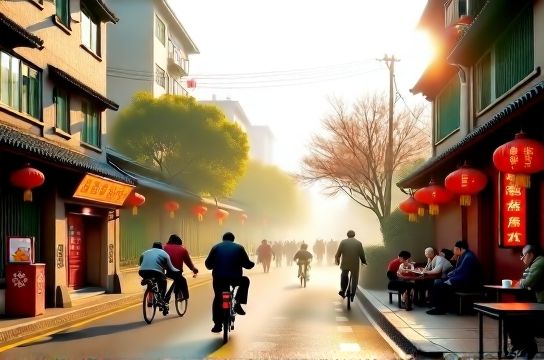
Why Go Local?
Tourists see landmarks. Locals live stories. Over 70% of urban Chinese start their day before 7 a.m., hitting parks for exercise or grabbing a steaming jianbing (savory crepe) from a street vendor. By joining their rhythm, you don’t just visit—you belong.
Master the Morning Hustle
In cities like Beijing and Shanghai, mornings are alive with energy. Locals flock to parks for group tai chi, square dancing, or even spontaneous opera singing. Join them! Many public parks offer free morning sessions—no signup needed.
Breakfast? Think beyond hotel buffets. Here’s what’s hot:
| Food | Price (CNY) | Where to Find |
|---|---|---|
| Jianbing | 5–8 | Street carts, morning markets |
| Baozi (steamed buns) | 2–4 each | Bakery chains like Hualong |
| Youtiao + Soy Milk | 6–10 | Local breakfast stalls |
Pro tip: Scan QR codes at food stands—they’re often linked to WeChat Pay, the only cashless method most vendors accept.
Commute Like a Pro
Forget taxis. The metro is king. Shanghai’s subway carries over 10 million riders daily—the busiest in the world. Download Baidu Maps or Amap (in Chinese), turn on transit mode, and ride like a pro. Single rides cost as little as ¥3–5.
Bike-sharing is another local favorite. Apps like Meituan Bike or HelloPay let you unlock shared e-bikes for ¥1.5/15 minutes. Just watch out for bike pileups near subway exits!
Eat Where the Lines Are Long (But Not Touristy)
If there’s a queue of office workers at lunchtime, follow them. These spots serve hearty, affordable meals under ¥20. Look for fen dian (rice canteens) or noodle shops tucked into alleys.
- Xi’an: Try roujiamo (Chinese hamburger) at a family-run stall—crispy on the outside, juicy within.
- Chengdu: Hit a chaofan (fried rice) joint where locals sip Sichuan tea between bites.
- Guangzhou: Dim sum isn’t just for weekends—locals eat it daily at hole-in-the-wall spots.
Evenings: From Mahjong Parlors to Night Markets
While tourists hit KTVs, many families unwind with mahjong or evening strolls. Join a community center game (often open to visitors), or wander residential neighborhoods to catch impromptu dance-offs in parking lots.
For night eats, explore local night markets—not the Instagram-famous ones, but the ones near housing complexes. Xi’an’s Muslim Quarter gets crowded, but Chengdu’s Kuanzhai Alley side streets offer better authenticity.
Live Like Them: Rent an Apartment, Not a Hotel
Stay in a lóngmén (apartment complex) via Airbnb or local platforms like Ziroom. You’ll get laundry access, a kitchen, and neighbors who might invite you to share mooncakes during festivals.
Rent averages:
| City | Monthly Rent (1BR) | Local Tip |
|---|---|---|
| Beijing | ¥5,000–8,000 | Avoid central districts—too touristy |
| Shanghai | ¥6,000–9,000 | Try Yangpu or Hongkou for real vibes |
| Chengdu | ¥2,500–4,000 | Wuhou or Jinniu = local charm |
Final Thoughts
Living like a local in China means slowing down, observing, and participating. It’s not about perfection—it’s about presence. So swap your guidebook for a jianbing, take the crowded train, and let the rhythm of everyday China move you.