
Taste the Real China Street Food and Market Traditions
- Date:
- Views:178
- Source:The Silk Road Echo
Craving something real? Skip the tourist traps and dive fork-first into the sizzling, steaming, flavor-packed world of authentic Chinese street food. From midnight skewers in Beijing to dawn dumpling runs in Shanghai, China’s streets are a 5,000-year-old dinner table—and it’s open 24/7.
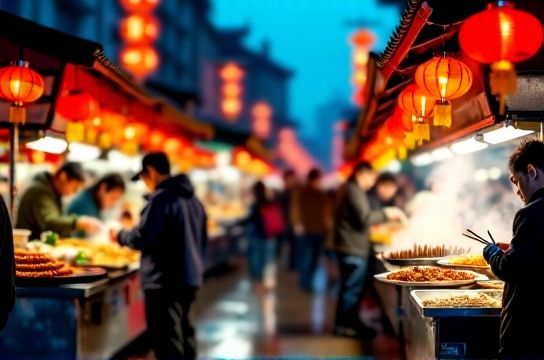
Forget fancy restaurants. The soul of Chinese cuisine lives in alleyways, night markets, and bustling morning bazaars where flavor, speed, and tradition collide. Locals don’t just eat street food—they live by it. Over 73% of urban Chinese enjoy street eats at least once a week (China Food & Nutrition Report, 2023).
The Must-Try Classics: No Passport Required
Let’s break down the all-stars:
- Jianbing – The ultimate breakfast wrap: crispy crepe, egg, hoisin, chili, and fried wonton crunch. Found everywhere from Xi’an to Shenzhen.
- Chuanr (Skewers) – Lamb glazed in cumin and chili, grilled over charcoal. Beijing’s Houhai district is legendary for these.
- Xiaolongbao – Soup-filled dumplings from Shanghai. One bite, hot broth explosion. Worth every burn.
- Stinky Tofu – Fermented, deep-fried, and unfairly judged. Smells like regret, tastes like umami heaven. Best in Changsha.
Market Magic: Where Tradition Meets Taste
No visit is complete without a market crawl. These aren’t just places to shop—they’re cultural time machines.
| Market | City | Specialty | Best Time to Visit |
|---|---|---|---|
| Dujiangyan Night Market | Chengdu | Sichuan spicy rabbit heads | 7 PM – 1 AM |
| Laocheng Xiao Chi | Taipei | Oyster pancakes, beef noodle soup | 5 PM – Midnight |
| Bund Sightseeing Tunnel Snack Row | Shanghai | Fresh scallion pancakes | 6 AM – 9 AM |
| Hongqiao Market | Beijing | Grilled mantou with condensed milk | 8 PM – 2 AM |
Pro tip: Go hungry, go cash-heavy (some vendors still prefer RMB), and bring courage. That mystery meat on a stick? Probably chicken. Probably.
Why Street Food Wins: Culture on a Stick
Chinese street food isn’t just about hunger—it’s community. It’s where grandparents teach grandkids how to fold dumplings, where office workers bond over late-night beer and skewers, and where regional pride gets served on paper plates.
Each region has its rhythm:
- Northern China: Wheat-based—think jianbing, mantou, and hand-pulled noodles.
- Southern China: Rice rules. Sticky rice rolls, congee, and dim sum dominate.
- Western China: Bold spices. Sichuan numbing heat, Xinjiang cumin lamb.
The beauty? You don’t need a guidebook. Just follow the smoke, the steam, and the crowd.
Final Bite: Eat Like a Local
Want the real deal? Here’s your cheat sheet:
- Arrive early or late – Locals eat street food at dawn or after midnight. Follow suit.
- Look for queues – If there’s a line, it’s good. Long lines = legendary.
- Point and smile – Language barrier? No problem. Just point and say “Yige, qing” (One, please).
- Carry small bills – Most street bites cost between 5–20 RMB.
So ditch the hotel buffet. Grab一双筷子 (a pair of chopsticks), embrace the chaos, and taste the real China—one fiery, juicy, unforgettable bite at a time.