
Exploring Chinese Street Food Culture in Local Markets
- Date:
- Views:164
- Source:The Silk Road Echo
If you've ever wandered through a bustling Chinese night market, you know it's not just about food—it's a full-on sensory explosion. The sizzle of skewers on hot grills, the aromatic punch of chili and Sichuan pepper, and the cheerful banter of vendors calling out their specialties—it’s street food as performance art.
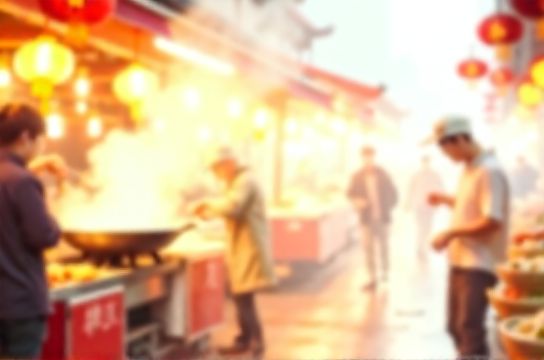
China’s street food culture is deeply rooted in regional diversity and centuries-old culinary traditions. From Chongqing’s fiery chuan’er (spicy grilled skewers) to Xiaolongbao in Shanghai, each bite tells a story of place, people, and passion.
Why Street Food? Because It’s Real
Forget five-star restaurants for a second. In China, some of the best meals cost less than $1. Why? Because street vendors focus on perfecting one dish—day after day. This obsession with mastery results in flavors that are bold, authentic, and downright addictive.
According to a 2023 report by China Food Industry Association, over 68% of urban residents eat street food at least once a week. That’s not just convenience—it’s cultural habit.
Top 5 Must-Try Street Foods & Where to Find Them
Here’s your cheat sheet to the crème de la crème of Chinese street eats:
| Dish | Origin | Flavor Profile | Avg. Price (CNY) | Best Market |
|---|---|---|---|---|
| Jianbing | Tianjin | Crispy, savory, tangy | 8 | Nanluoguxiang, Beijing |
| Stinky Tofu | Hunan | Pungent, spicy, crunchy | 10 | Fangzhu Street, Changsha |
| Roujiamo | Shaanxi | Meaty, flaky, umami | 12 | Muslim Quarter, Xi’an |
| Chuan’er | Sichuan | Spicy, smoky, numbing | 15 | Jiefangbei, Chongqing |
| Xiaolongbao | Shanghai | Steamy, juicy, delicate | 20 | Yuyuan Bazaar, Shanghai |
Pro tip: Go early or go late. The best spots sell out fast, and locals know the golden hours—usually between 6–8 PM or post-midnight during summer.
Street Food by the Numbers
- Over 3 million street vendors operate across China (Ministry of Commerce, 2022).
- 78% of travelers cite street food as a top reason for visiting certain cities.
- The average vendor prepares 200+ servings per night.
Cultural Etiquette: Eat Like a Local
Want to blend in? Follow these unwritten rules:
- Point, don’t pronounce: If your Mandarin isn’t fluent, point to what others are eating.
- Carry cash: While mobile pay dominates, small vendors may prefer physical yuan.
- Share tables: Communal seating is normal. Smile, say “bu ma fan?” (mind if I sit?), and enjoy the vibe.
And yes—hygiene varies. Look for stalls with high turnover; freshness beats sterility every time.
Final Bite
Chinese street food isn’t just cheap eats—it’s living history served on a paper plate. Whether you’re slurping scalding hot dan dan noodles in Chengdu or biting into a crispy jianbing at dawn in Beijing, you’re tasting the soul of a nation that eats with heart, heat, and harmony.
So next time you hit a local market, skip the guidebook. Follow the smoke, the scent, and the crowd. Your taste buds will thank you.