
Experience Authentic Chinese Street Food Like a Local Resident
- Date:
- Views:242
- Source:The Silk Road Echo
If you've ever strolled through a bustling night market in Chengdu or squeezed past steaming noodle carts in Beijing's hutongs, you know: Chinese street food isn't just about eating—it's a full-body cultural immersion. Forget sterile restaurants and overpriced 'fusion' gimmicks. The real magic happens on sidewalks, under flickering neon, where woks hiss and locals queue with plastic stools in hand.
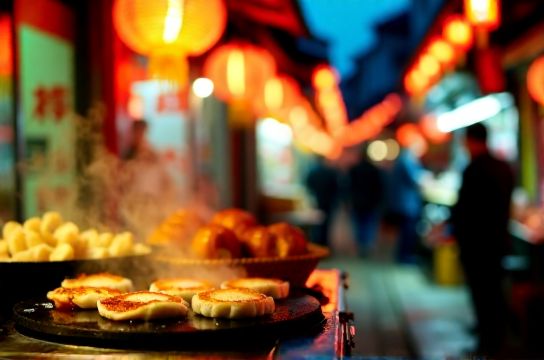
China’s street food scene is as diverse as its geography. From Sichuan’s face-tingling malatang to Xi’an’s legendary roujiamo (aka 'Chinese hamburger'), every bite tells a story. According to a 2023 report by China Tourism Academy, over 68% of domestic travelers prioritize local eats over sightseeing. And street vendors? They generate over ¥2 trillion ($280 billion) annually—proof that flavor fuels the economy.
So how do you eat like someone who actually lives here? First rule: follow the crowds. A long line means freshness and quality. Second: embrace the chaos. No menus? Point confidently. Can’t use chopsticks? Nobody cares. Locals appreciate the effort.
Here’s a quick taste guide to five must-try staples:
| Dish | Origin | Price Range (CNY) | Flavor Profile | Pro Tip |
|---|---|---|---|---|
| Jianbing | Tianjin/Northeast | 5–10 | Savory, crispy, eggy | Ask for bù yào là (no chili) if sensitive |
| Chuanr | Xinjiang | 2–5 per skewer | Smoky, spicy, cumin-kissed | Try lamb—Xinjiang does it best |
| Xiaolongbao | Shanghai | 10–15 (6 pcs) | Bursting with soup & pork | Bite gently—hot broth inside! |
| Roujiamo | Xi’an | 8–12 | Meaty, peppery, flaky | Pair with liangpi cold noodles |
| Cold Noodles (Liangpi) | Shaanxi | 6–10 | Tangy, spicy, chewy | Best in summer—refreshing kick |
Timing matters. In Guangzhou, dim sum street stalls roll out at 6 a.m.—get there early. In Chengdu, the real action starts after 8 p.m., when spicy crayfish (maoxia) tents light up alleys. Cash is still king, though mobile pay (WeChat/Alipay) is spreading fast.
Worried about hygiene? Look for vendors with high turnover—fresh ingredients mean less risk. And don’t fear the spice. Start mild, then level up. As locals say: rènao (heat + noise) equals authenticity.
Bottom line? Skip the guidebook picks. Turn off Google Maps. Wander. Smell. Point. Eat. That’s how you taste China—one greasy, glorious bite at a time.