
Immerse Yourself in Tea Culture China and Local Traditions
- Date:
- Views:189
- Source:The Silk Road Echo
Want to truly experience tea culture China has to offer? Forget the tea bags sitting in your kitchen—China’s tea traditions run deep, rich, and aromatic, with over 4,000 years of history steeped into every sip. From misty mountain plantations to bustling urban tea houses, diving into China’s tea scene is like stepping into a living scroll painting where flavor, philosophy, and folklore blend seamlessly.
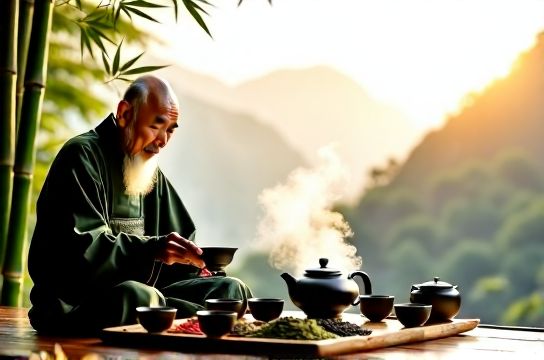
Why Tea Culture in China Is More Than Just a Drink
In China, tea isn’t just a beverage—it’s a ritual, a gift, a moment of pause in a fast-moving world. Whether it’s a formal Gongfu Cha ceremony or an uncle pouring oolong from a thermos at a park chess game, tea connects people. Did you know that China produces over 3 million tons of tea annually, accounting for nearly 40% of global output? That’s not just impressive—it’s steeped in passion.
The Big Five: Must-Try Chinese Teas
Not all teas are created equal. Here are five iconic varieties that define tea culture China celebrates:
| Tea Type | Region | Flavor Profile | Caffeine Level |
|---|---|---|---|
| Longjing (Dragon Well) | Hangzhou, Zhejiang | Grassy, nutty, smooth | Medium |
| Pu-erh | Yunnan | Earthy, woody, complex | High (aged) |
| Tieguanyin (Iron Goddess) | Anxi, Fujian | Floral, creamy, slightly sweet | Medium-High |
| Baihao Yinzhen (Silver Needle) | Fujian | Delicate, sweet, floral | Low |
| Keemun Black Tea | Qimen, Anhui | Smoky, wine-like, brisk | Medium |
Where to Experience Authentic Tea Culture in China
If you’re traveling, skip the tourist traps and head to these local favorites:
- Hangzhou’s Meijiawu Village: Sip Longjing right where it’s grown, surrounded by emerald-green terraces.
- Kung Fu Tea Street, Guangzhou: A haven for Gongfu Cha lovers—small pots, strong brews, endless refills.
- Xizhou, Yunnan: Try aged Pu-erh in a Bai-style courtyard while locals play traditional music.
Pro Tips for Travelers Diving Into Tea Culture
- Don’t rush the brew: In Gongfu Cha, multiple short steeps reveal evolving flavors. Patience = payoff.
- Bring home loose leaf: Avoid airport ‘tea souvenirs’—they’re often low-grade. Visit a reputable shop like Huangshan Mao Feng Tea House.
- Learn a few phrases: Saying “Qǐng gěi wǒ kàn kàn hǎo chá” (“Please show me some good tea”) earns respect and better service.
At the end of the day, embracing tea culture China offers isn’t about perfection—it’s about presence. So warm your cup, inhale that fragrant steam, and let centuries of tradition pour into your soul—one mindful sip at a time.