
The Real China Found in Daily Street Moments
- Date:
- Views:243
- Source:The Silk Road Echo
If you think China is all about bullet trains and skyscrapers, think again. The soul of this vast country doesn’t live in boardrooms or high-speed rail stations — it pulses through the morning jianbing stalls, echoes in alleyway mahjong games, and lingers in the steam of a 5-yuan baozi. To truly know China, walk its streets. Let’s dive into the rhythm of daily urban life, where tradition and modernity don’t just coexist — they dance.
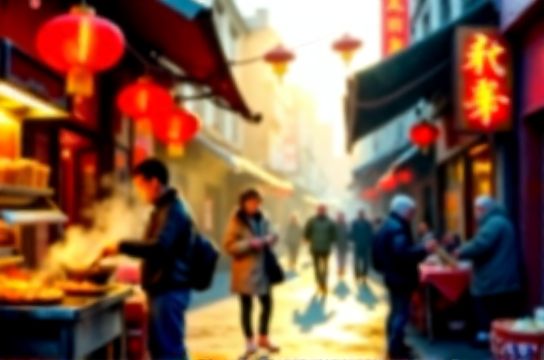
The Morning Hustle: Streets Come Alive
Dawn in Beijing or Shanghai isn’t silent. It starts with the sizzle of griddles. Street vendors flip jianbing (savory crepes) before office workers even finish their WeChat check-ins. In cities like Chengdu, elderly locals practice tai chi in parks while delivery riders zip past on e-bikes, balancing three takeout orders at once.
A 2023 urban lifestyle survey by Peking University found that over 68% of city dwellers still buy breakfast from street vendors at least three times a week. Why? It’s fast, cheap, and tastes like home.
Street Food: More Than a Meal
No guidebook can capture the magic of biting into a crispy jianbing, layered with egg, hoisin sauce, and fried wonton cracker. Or the smoky kick of Sichuan spiced skewers sold near subway exits. These aren’t just snacks — they’re edible stories.
| Street Food | City Origin | Avg. Price (CNY) | Key Ingredients |
|---|---|---|---|
| Jianbing | Tianjin/Beijing | 6 | Egg, scallion, hoisin, crispy cracker |
| Chuan’r (Skewers) | Sichuan/Chongqing | 2–3 per stick | Lamb, cumin, chili oil |
| Xiaolongbao | Shanghai | 10 for 6 pcs | Pork, gelatin broth, bamboo steamers |
These flavors are unscripted, passed down through generations of migrant cooks who’ve turned sidewalks into kitchens.
The Human Rhythm: Life Between Buildings
Wander any residential neighborhood at dusk, and you’ll see life unfolding without filters. Grandparents swing their arms in synchronized qigong circles. Kids chase each other past fruit carts. A barber gives a 10-yuan haircut under a tree. There’s no app for this kind of connection.
In fact, a 2022 study in Urban Anthropology Review noted that Chinese urbanites spend an average of 47 minutes daily in unplanned social interactions — mostly on streets or in courtyards. That’s nearly double the rate in most Western cities.
Old vs. New: The Coexistence Game
You’ll find a 90-year-old tea master brewing oolong in a tin shack beside a neon-lit Starbucks. Or a calligrapher writing couplets for Lunar New Year just meters from a Huawei flagship store. This isn’t chaos — it’s harmony in contrast.
Cities like Xi’an and Suzhou have mastered this balance. Ancient hutongs remain homes, not museums. Residents live, cook, and gossip behind gray-brick walls, while tourists snap photos nearby. The government’s ‘micro-renovation’ policy since 2020 has preserved over 3,000 traditional neighborhoods without displacing locals.
Why This Matters
Tourism brochures sell palaces and pandas. But real cultural insight? It’s in the way a vendor hands you change with a smile, or how neighbors share thermoses of tea during winter. These micro-moments form the true fabric of Chinese urban life.
So next time you visit, skip the guided tour. Walk. Sit on a folding stool. Order something off a chalkboard menu. Let the street tell you its story — because that’s where the real China lives.