
The Charm of Local Markets China and Street Eats
- Date:
- Views:178
- Source:The Silk Road Echo
If you've ever wandered through the neon-lit alleyways of Chengdu at dusk or squeezed past baskets of steaming baozi in a Beijing hutong, you know—China's soul doesn’t live in its skyscrapers. It sizzles on griddles, dances in the scent of cumin and chili, and pulses through the chaotic rhythm of local markets and street eats.
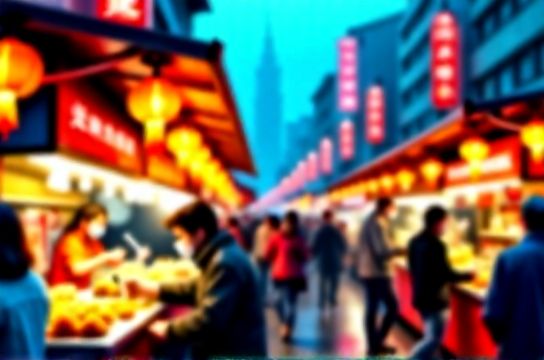
Forget fancy restaurants. The real culinary adventure begins where plastic stools meet pavement: China’s street food scene is a full-body experience. From spicy Sichuan skewers to crispy Shanghai jianbing, every bite tells a story shaped by centuries of tradition and regional pride.
Let’s break it down with some juicy numbers:
Why Street Food Dominates Chinese Culture
According to a 2023 report by China Industry Research Network, over 68% of urban residents eat street food at least once a week. In cities like Xi’an and Chongqing, that number jumps to nearly 85%. Why? It’s fast, affordable, and—most importantly—delicious.
| City | Popular Street Food | Avg. Price (CNY) | Local Favorite Index* |
|---|---|---|---|
| Chengdu | Chuan Chuan Xiang (Spicy Skewers) | 15 | 9.7/10 |
| Xi’an | Roujiamo (Chinese Hamburger) | 12 | 9.5/10 |
| Shanghai | Jianbing (Savory Crepe) | 8 | 8.9/10 |
| Guangzhou | Cantonese Dim Sum (on wheels) | 20 | 9.2/10 |
*Based on local diner surveys and online review averages (2023).
The Market Magic: More Than Just Food
Walk into any local market—like Luojiaba Market in Chengdu or Donghuamen Night Market in Beijing—and you’re not just shopping; you’re socializing. Vendors shout specials, grandmas haggle over bok choy, and the air hums with the sizzle of woks.
These markets are cultural hubs. A 2022 study by Peking University found that over 40 million people work in China’s informal street economy, many of them family-run stalls passed down for generations.
Tips for First-Time Explorers
- Go early or go late: Lunchtime (11:30–1:00) and dinner rush (5:30–7:30) mean crowds—but also maximum freshness.
- Follow the locals: If a stall has a line of taxi drivers or students, it’s gold.
- Cash is still king—though WeChat Pay and Alipay dominate, small vendors may not accept foreign cards.
- Be adventurous, but smart: Look for busy stalls with high turnover—freshness equals safety.
And don’t forget drinks! Try iced brown sugar milk tea from a street cart or sugarcane juice pressed fresh in Guangzhou. These aren’t just refreshments—they’re liquid culture.
Final Bite
China’s local markets and street eats aren’t just about feeding hunger—they feed curiosity. They’re where tradition meets innovation, where a 70-year-old grandma flips jianbing with the precision of a Michelin chef, and where one skewer can spark a lifelong obsession.
So next time you’re in China, skip the hotel buffet. Grab a stool, point at what the person next to you is eating, and dive in. That’s where the real flavor lives.