
What You Can Learn from a Single Bowl of Noodles
- Date:
- Views:307
- Source:The Silk Road Echo
Ever sat down with a steaming bowl of noodles and thought, 'There's more to this than just carbs and broth'? Turns out, you're not wrong. A single bowl of noodles—whether it’s ramen in Tokyo, pho in Hanoi, or spaghetti in Rome—holds cultural wisdom, economic clues, and even life lessons simmering beneath the surface.
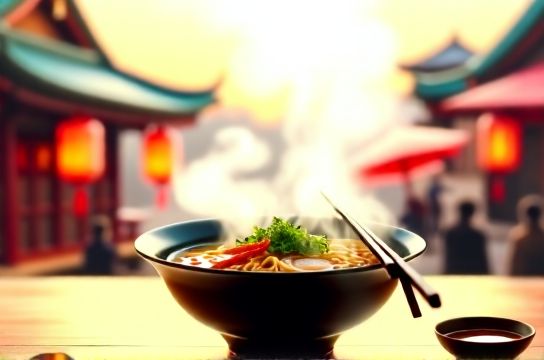
The Global Language of Noodles
Noodles are one of the few foods that transcend borders. From East Asia to Southern Europe, they morph in shape, flavor, and meaning. But why? Because noodles aren’t just food—they’re history on a plate.
Take ramen: once a humble Chinese import to Japan, now a $30 billion global industry. Instant ramen alone sells over 100 billion packs yearly worldwide (World Instant Noodles Association, 2023). That’s enough to wrap around the Earth nearly 50 times if laid end-to-end. Mind-blowing, right?
Culture Served Hot
In Japan, slurping isn’t rude—it’s appreciation. In Vietnam, pho is often eaten at dawn, a ritual of renewal. In Italy, nonnas time pasta by how long it takes to kiss someone goodbye at the door. These aren’t quirks—they’re philosophies wrapped in wheat.
Let’s break it down:
| Dish | Origin | Key Ingredient | Cultural Insight |
|---|---|---|---|
| Ramen | Japan (Chinese roots) | Buckwheat/ramen flour | Precision & craftsmanship |
| Pho | Vietnam | Rice noodles | Balance of yin and yang |
| Spaghetti Carbonara | Italy | Durum wheat pasta | Simplicity as elegance |
| Lanzhou Lamian | China | Hand-pulled wheat | Artistry in motion |
Life Lessons from the Broth
Here’s where it gets deep. A good bowl teaches patience. Ramen broth can take 18 hours to develop depth. Pho spice balance requires intuition. Ever tried making fresh pasta? One wrong move and it sticks like regret.
- Slow cooking = deeper flavor — Just like life, rushing rarely brings richness.
- Balance matters — Too much salt ruins soup; too much stress ruins days.
- Simple ingredients, big impact — Eggs, noodles, water. Yet carbonara feels luxurious.
Noodles & The Modern World
In economics, instant noodles are a real indicator. The "Ramen Index" tracks currency value through pack prices across countries. During recessions, sales spike—affordable comfort wins.
And let’s talk sustainability. Traditional noodle-making uses minimal waste. But mass production? Not so much. Plastic cups, preservatives, carbon footprint. The lesson? Progress needs pause.
Final Slurp
Next time you lift those chopsticks, remember: you’re not just eating. You’re tasting centuries of adaptation, resilience, and human connection. A bowl of noodles is a mirror—what do you see?
So go ahead. Savor slowly. Learn deeply. And maybe, just maybe, let your next meal be a teacher.