
Following Tradition at a Hangzhou Tea Plantation
- Date:
- Views:205
- Source:The Silk Road Echo
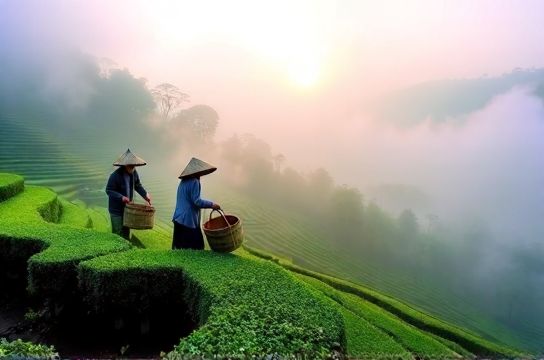
If you've ever sipped a cup of Longjing (Dragon Well) tea and felt like you were tasting spring itself, then a visit to a Hangzhou tea plantation isn't just a trip—it's a pilgrimage. Nestled in the misty hills surrounding West Lake, Hangzhou has been China’s green tea heartland for over a thousand years. And there’s no better way to understand the soul of Chinese tea culture than by walking among the emerald rows of camellia sinensis, hands brushing the leaves that will become one of the world’s most celebrated brews.
Why Hangzhou? The Heart of Longjing
Hangzhou’s West Lake region is the only place where authentic Xi Hu Longjing (West Lake Dragon Well) tea is grown. Recognized as one of China’s Ten Famous Teas, Longjing is known for its flat, sword-shaped leaves, delicate chestnut aroma, and smooth, sweet finish. In 2023, the local government reported that over 24,000 metric tons of tea were produced in Zhejiang Province, with Hangzhou contributing nearly 18%—a testament to its agricultural significance.
But beyond numbers, it’s the tradition that sets this place apart. For generations, farmers have used hand-picking and pan-firing techniques passed down through families. Each spring, usually from late March to early April, the 'Ming Qian' tea—plucked before the Qingming Festival—is considered the finest harvest, fetching prices upwards of $1,500 per kilogram for premium grades.
A Day in the Life: What to Expect
Most tea plantations welcome visitors for guided tours, tea picking experiences, and tastings. Popular spots include Meijiawu Village and Longjing Village, both just a short taxi ride from downtown Hangzhou. Here’s a quick look at what you can experience:
| Activity | Duration | Cost (CNY) | Best Time to Visit |
|---|---|---|---|
| Tea Picking | 1–2 hours | 80–150 | March–April |
| Tea Processing Demo | 45 mins | Free with purchase | Year-round |
| Tasting Session | 30 mins | 50–100 | Morning or Early Afternoon |
| Guided Farm Tour | 1 hour | 100 | Spring/Fall |
Pro tip: Go early. Mornings are cooler, the fog still clings to the hills, and the light is perfect for photos that’ll make your Instagram followers swear you're in a painting.
The Ritual of Tea Tasting
Sipping Longjing isn’t casual—it’s ceremonial. Locals use glass cups to watch the leaves dance downward after brewing, a visual rhythm known as 'three rises and three falls.' Water temperature is crucial: 75–80°C (167–176°F) preserves the flavor without scalding the tender leaves. A single infusion lasts about two minutes, and yes, you’re supposed to drink it all in one go—no sipping like coffee!
During tastings, you’ll notice subtle differences between batches. Higher elevations yield more complex flavors, while early harvests offer greater sweetness. It’s not just tea; it’s terroir.
Cultural Roots & Modern Challenges
While tourism brings income, it also threatens authenticity. Some farms now prioritize photo ops over quality, and counterfeit Longjing floods markets across China. That’s why going straight to the source matters. Look for farms with official Xi Hu Longjing certification and avoid vendors selling 'premium' tea for suspiciously low prices.
Still, many families are adapting beautifully—using e-commerce to reach global buyers while preserving traditional methods. One farmer in Meijiawu told me, 'The land remembers. If you treat it right, the tea will speak for itself.'
Final Sip: Why This Experience Stays With You
More than just a scenic outing, a Hangzhou tea plantation visit connects you to centuries of quiet wisdom. It’s slow living in a fast world—a reminder that the best things take time, care, and respect for nature. So next time you pour a cup of green tea, close your eyes. Breathe in that grassy-sweet scent. You might just hear the wind rustling through Hangzhou’s timeless hills.