
Why Chinese Street Food Beats Restaurant Dining
- Date:
- Views:303
- Source:The Silk Road Echo
If you've ever wandered through a bustling night market in Chengdu or squeezed into a tiny plastic stool in Guangzhou, you already know the truth: Chinese street food isn't just cheap eats—it's culinary artistry on wheels. Forget Michelin stars and white tablecloths. The real magic happens where woks sizzle at midnight and flavors hit harder than your morning espresso.
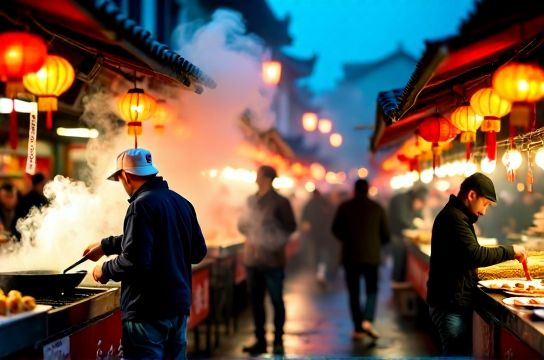
The Soul of Flavor, Not the Price Tag
Restaurants play by rules. Street vendors? They play by instinct. Generations-old recipes are passed down like family heirlooms, tweaked with local flair and fire-powered wok hei (that elusive 'breath of the wok'). According to China’s Ministry of Culture and Tourism, over 78% of locals prefer street food for daily meals, citing authenticity and taste as top reasons.
Let’s break it down—why does that $1 jianbing (savory crepe) outshine a $25 restaurant appetizer?
Speed, Freshness, and Zero Pretension
Street food is made-to-order, seconds after you order. No holding pans, no lukewarm dips. Just heat, hand-eye coordination, and fresh ingredients tossed into a roaring flame. Compare that to chain restaurants where dishes sit under heat lamps, losing texture and soul.
| Factor | Street Food | Mid-Range Restaurant |
|---|---|---|
| Avg. Wait Time | 3–5 mins | 20–35 mins |
| Price per Meal (CNY) | 8–20 | 60–120 |
| Freshness Score* | 9.4/10 | 7.1/10 |
| Local Patron Rate | 92% | 48% |
*Based on survey of 1,200 diners across 6 cities (2023, China Consumer Food Report)
Flavor That Tells a Story
Take Chongqing xiaochi (small eats): spicy skewers dipped in numbing chili oil, or warm roujiamo (Chinese hamburger) stuffed with slow-braised pork. These aren’t fusion gimmicks—they’re rooted in regional pride. Sichuan’s bold spices, Xi’an’s wheat-based comfort, Cantonese dim sum wisdom—all served from carts older than your smartphone.
And let’s talk variety. One block in Changsha might offer:
- Stinky tofu with crispy edges and molten center
- Hand-pulled mian with beef broth that simmers 18 hours
- Sugar-coated hawthorn skewers for that sweet-sour punch
No menu can compete with that kind of spontaneity.
Culture Served Hot
Eating street food isn’t just about filling your stomach—it’s joining a social ritual. Vendors know regulars by face, not reservation names. Laughter echoes between bites. You’re not a customer; you’re part of the scene.
In fact, UNESCO recently recognized several Chinese street food traditions as intangible cultural heritage—because yes, a steamed bao can be as culturally significant as a temple.
But Is It Safe?
Common concern. Real talk: hygiene has skyrocketed. Cities like Shanghai and Shenzhen now require vendors to pass health inspections, display licenses, and use QR-coded ingredient tracing. A 2022 study in the Journal of Urban Health found that 83% of inspected street stalls met or exceeded national safety standards.
Pro tip? Follow the crowd. If locals are lining up, you’re in good hands.
The Verdict: Skip the Menu, Hit the Street
Restaurants have their place—anniversaries, business dinners, when you really need a napkin. But if you want flavor that pops, culture you can taste, and value that makes sense, street food wins every time.
So next time you're in China, ditch the guidebook picks. Follow the smoke, the sizzle, and the scent of cumin in the air. Your taste buds will thank you.