
What Makes Local Lifestyle China So Unique
- Date:
- Views:185
- Source:The Silk Road Echo
Ever wondered why wandering through a Beijing hutong feels nothing like strolling down a Shanghai lane? Or why breakfast in Guangzhou could blow your mind with steamed dim sum while Xi’an wakes up to spicy lamb soup? Welcome to Local Lifestyle China—a country where every region tells its own story, not just through language or landscape, but through the rhythm of daily life.
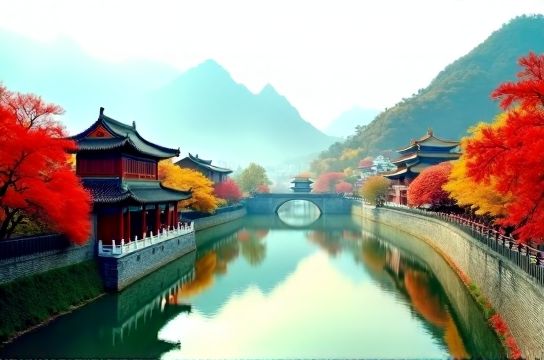
China isn’t just big; it’s wildly diverse. With over 1.4 billion people and 56 officially recognized ethnic groups, the local lifestyle varies so much that one week here can feel like visiting five different countries.
The Pulse of Daily Life: More Than Just Tradition
In Chengdu, locals sip tea in bamboo chairs at dawn, playing mahjong like it’s a morning workout. In Shenzhen, tech workers grab bubble tea on their way to co-working spaces by 8 a.m. This contrast isn’t accidental—it’s the heartbeat of modern China.
Take food habits, for example. While northerners live by their dumplings and wheat-based staples, southern kitchens revolve around rice, seafood, and delicate steaming techniques. A simple meal reveals centuries of climate adaptation, trade routes, and cultural pride.
Urban vs. Rural: Two Speeds, One Nation
Cities like Hangzhou and Nanjing blend ancient temples with AI startups. Meanwhile, rural villages in Yunnan still celebrate harvest festivals with drum dances and handwoven textiles. The gap is real, but so is the connection.
Check out this snapshot of lifestyle differences:
| Aspect | Urban Lifestyle | Rural Lifestyle |
|---|---|---|
| Average Sleep Time | 12:30 AM | 9:30 PM |
| Daily Commute | 45 min (metro/bus) | Walk or bike (15 min) |
| Main Meal Time | 7:30 PM | 6:00 PM |
| Internet Usage (hrs/day) | 3.8 | 1.2 |
Source: China National Bureau of Statistics, 2023
Seasonal Rhythms & Festivals That Define Life
If you want to feel China, time your visit with local customs. The Lunar New Year isn’t just fireworks—it’s family reunions, red envelopes, and trains packed like sardines. In Harbin, winter means ice sculptures taller than buildings. In Kunming, spring never really leaves.
And let’s talk about tea. It’s not just a drink; it’s a ritual. From Fujian’s oolong ceremonies to Xinjiang’s salty milk tea, each cup tells a tale of hospitality and heritage.
Why Travelers Keep Coming Back
Tourists come for the Great Wall, but they stay for the grandma in Guilin who teaches them how to fold rice dumplings. They return because China’s soul lives in its streets, markets, and shared meals.
So what makes local lifestyle China so unique? It’s the mix of ancient rhythms and futuristic hustle, the deep respect for tradition alongside wild innovation. It’s a place where slow-cooked broth and high-speed rail somehow coexist in perfect harmony.
Want authenticity? Skip the tourist traps. Rent a bike in a small town. Eat where the locals eat. That’s where you’ll find the real China.