
Finding Peace in a Traditional Chinese Tea House
- Date:
- Views:207
- Source:The Silk Road Echo
Ever felt like your brain’s running on overdrive? Emails, notifications, deadlines—life moves fast. But what if I told you there’s a quiet escape rooted in centuries of wisdom? Enter: the traditional Chinese tea house. It’s not just about sipping tea—it’s a full-on sensory reset.
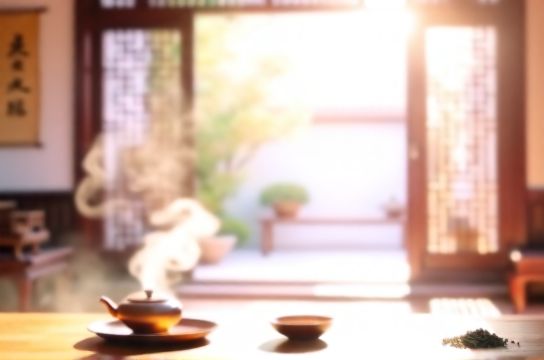
Imagine this: soft silk curtains swaying in the breeze, the faint scent of aged pu’er drifting through the air, and the gentle clink of porcelain cups. No Wi-Fi banners here—just mindfulness served hot.
Why a Tea House Feels Like a Hug for Your Soul
Chinese tea culture dates back over 4,000 years. From emperors to monks, tea has always been more than a drink—it’s a ritual, a meditation, a bridge between people and peace.
In modern cities like Hangzhou or Chengdu, tea houses are sanctuaries tucked between skyscrapers. Locals spend hours here—not rushing, but being. And science backs it up: a 2023 study from Peking University found that regular tea drinkers reported 30% lower stress levels compared to non-tea drinkers.
Tea Types That Actually Change Your Mood
Not all teas are created equal. Each type offers a different vibe:
| Tea Type | Caffeine Level | Mood Effect | Best Time to Drink |
|---|---|---|---|
| Green (e.g., Longjing) | Medium | Calm focus | Morning |
| Oolong (e.g., Tieguanyin) | Medium-High | Clarity & energy | Afternoon |
| Pu’er (aged) | Low-Medium | Grounding, digestive aid | Evening |
| White (e.g., Baihao Yinzhen) | Low | Relaxation, subtle sweetness | Late afternoon |
Pro tip: Skip the sugar. The real magic happens when you taste the tea’s natural notes—floral, earthy, nutty—without distractions.
How to Visit Like a Local (Without Being That Tourist)
Want the authentic experience? Here’s how to blend in:
- Dress down: No flashy logos. Think linen, cotton, neutral tones.
- Arrive early: Popular spots fill by 10 a.m., especially on weekends.
- Silence your phone: Seriously. Put it face-down. You’re here to disconnect.
- Try gongfu cha: This traditional brewing method uses small pots and multiple short steeps. It’s like tea tasting, but poetic.
In Suzhou, the Master of the Nets Garden hosts tea ceremonies where every movement—from pouring to smelling the cup—is choreographed like a dance. Tickets? Around $15. Memories? Priceless.
Tea Houses Worth the Journey
If you’re planning a trip, add these gems to your list:
- Hupao Tea House (Hangzhou): Nestled near West Lake, famous for fresh Longjing picked each spring.
- Wuyi Rock Tea Pavilion (Fujian): Set in cliffside gardens, specializing in rare oolongs.
- Chongqing Lao Cha Guan: A no-frills local favorite with bamboo chairs and strong jasmine brews.
And hey—don’t worry if you can’t travel right now. Bring the vibe home: light a sandalwood incense stick, play some guzheng music, and brew a proper pot. Even five mindful minutes count.
So next time life feels like a browser with 47 tabs open—close them all. Step into a tea house. Breathe. Sip slow. Let stillness do the heavy lifting.