
Sweet Treats in Chinese Street Food Culture
- Date:
- Views:275
- Source:The Silk Road Echo
If you've ever wandered through a bustling night market in Beijing, Chengdu, or Xi'an, you know one truth: Chinese street food isn’t just about savory skewers and steaming buns—its sweet side is a flavor explosion waiting to happen. Forget cupcakes and candy bars; China’s streets serve up centuries of culinary tradition in every sugary bite.
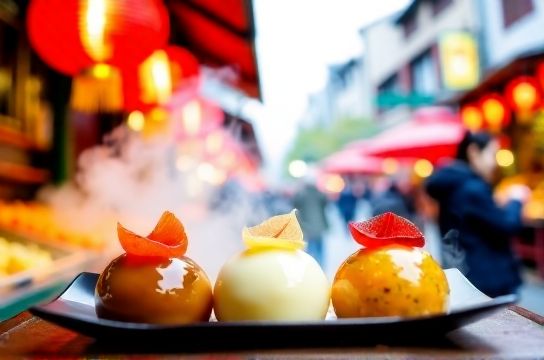
From golden jian dui (sesame balls) with molten fillings to chewy tanghulu—those shiny candied hawthorn berries on a stick—sweet street snacks are deeply rooted in regional culture and seasonal festivals. But they’re not just for tourists. Locals line up for these treats like it’s a daily ritual, and for good reason: texture, taste, and tradition collide in the most delicious way.
Let’s break down some must-try sweets and what makes them unforgettable.
Top 5 Sweet Street Snacks You Can’t Miss
| Snack | Origin | Sweetness Level (1-5) | Avg. Price (CNY) | Texture Profile |
|---|---|---|---|---|
| Tanghulu | Northern China | 4 | 8–15 | Crisp shell, juicy center |
| Jian Dui (Sesame Balls) | Guangdong | 3.5 | 3–6 | Crunchy outside, soft inside |
| Douhua (Sweet Tofu Pudding) | Sichuan | 3 | 5–8 | Silky smooth |
| Mala Mooncake (Sweet-Spicy) | Chengdu | 4.5 | 10–18 | Flaky crust, gooey filling |
| Bingtangqiu (Candied Fruit Balls) | Nanjing | 5 | 6–10 | Glossy, chewy |
As you can see, sweetness varies—but so does complexity. Take douhua, for example. This delicate tofu pudding is served warm or cold, drizzled with ginger syrup or red bean paste. It’s subtle, almost meditative in flavor, making it a favorite among older locals and health-conscious snackers alike.
Then there’s the wild child: mala mooncake. Yes, that’s right—spicy and sweet in one bite. Born in Chengdu’s experimental dessert labs (okay, maybe just creative street vendors), this twist on the Mid-Autumn classic packs Sichuan peppercorns into a honey-lavender filling. One bite and your taste buds throw a party.
Why Are These Sweets So Popular?
It’s not just about sugar rushes. Many of these treats have symbolic meaning. Tanghulu, with its glossy red coating, represents happiness and good fortune—often seen at weddings and Lunar New Year celebrations. Jian dui, puffed and golden, symbolize prosperity (they look like little money bags!).
And let’s talk affordability. Most sweet snacks cost under 15 RMB (under $2 USD), making them accessible indulgences for students, workers, and grandmas alike. In a country where street food is woven into daily life, sweets aren’t occasional—they’re part of the rhythm.
Pro tip: visit during autumn festivals or winter holidays. That’s when limited-edition treats appear—like pumpkin-filled mochi in Hangzhou or rose-scented ice soup in Kunming.
So next time you’re strolling through a Chinese night market, skip the bubble tea (just once!) and go for the real deal. Let your inner foodie explore the sweet, sticky, soul-warming side of China’s street food culture. Your taste buds will thank you—and your Instagram feed will blow up.