
Tea Houses and Daily Life in China Cities
- Date:
- Views:226
- Source:The Silk Road Echo
If you've ever wandered through a misty morning in Hangzhou or strolled down a back alley in Chengdu, you’ve probably smelled it — the earthy aroma of brewing tea. But in China, tea isn’t just a drink; it’s a rhythm of life. And nowhere does this beat louder than in the humble tea house.
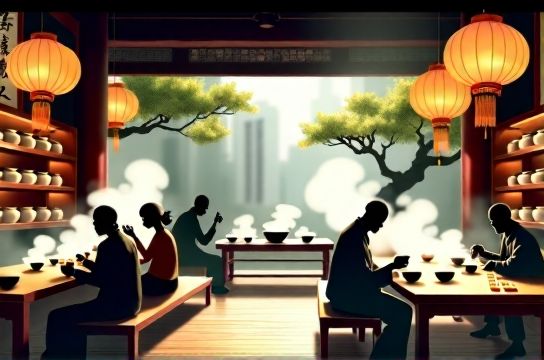
From bustling metropolises like Shanghai to laid-back towns in Yunnan, tea houses are more than places to sip oolong — they’re social hubs, cultural sanctuaries, and even unofficial offices for retirees. Let’s dive into how tea houses shape daily life across Chinese cities.
The Heartbeat of Urban Routine
In Chengdu, the day starts slow. Locals flock to hemian guan (cover charge tea houses) by 8 a.m., claiming their bamboo chairs with newspapers and steaming pots of Jasmine tea. One cup costs as little as ¥2–¥5, but stays on your table all day. That’s not bad for unlimited refills and a front-row seat to city life.
Meanwhile, in Guangzhou, tea houses double as breakfast spots. Dim sum and Pu’er? Yes, please. Over in Suzhou, classical gardens hide elegant pavilions where locals practice calligraphy between sips of Bi Luo Chun.
Why Tea Houses Still Thrive
You might think modern cafes would push tea houses out. But no — they’ve adapted. In Beijing, “new-wave” tea lounges blend tradition with Instagrammable interiors, attracting millennials eager to reconnect with heritage.
According to a 2023 report by iiMedia Research, over 67% of urban Chinese aged 30+ visit a tea house at least once a week. For retirees, that jumps to nearly 90%. It’s less about caffeine, more about community.
| City | Popular Tea | Avg. Cover Charge (CNY) | Main Patron Group |
|---|---|---|---|
| Chengdu | Jasmine Tea | ¥5–¥10 | Retirees, Families |
| Hangzhou | Longjing (Dragon Well) | ¥20–¥50 | Tourists, Professionals |
| Guangzhou | Pu’er | ¥15–¥30 | Families, Business Meetings |
| Shanghai | Tieguanyin | ¥30–¥80 | Young Adults, Expats |
Notice the trend? Southern cities lean toward stronger, fermented teas; northern ones favor delicate greens. Price reflects both tourism and vibe — Hangzhou’s scenic spots charge more, while Chengdu keeps it grassroots.
More Than Just Tea: Culture in Every Cup
Ever seen someone flip a mahjong tile at 9 a.m.? In Chengdu’s People’s Park tea house, it’s normal. Games, gossip, and go (the board game) fill hours. Elsewhere, you’ll find opera snippets, poetry readings, or quiet meditation.
Tea houses also serve as neutral ground for delicate talks — business deals, family disputes, even matchmaking. As one regular in Xi’an put it: “If coffee is for rushing, tea is for resolving.”
Pro Tips for Visitors
- Go early: Popular spots fill by 10 a.m., especially on weekends.
- Respect the rhythm: Don’t rush. Lingering is the point.
- Try the local brew: Ask what’s in season — spring Longjing, autumn Tieguanyin.
- Bring cash: Some old-school spots don’t take digital payments.
So next time you're in a Chinese city, skip the Starbucks. Find a tea house. Pull up a chair. And let the city steep around you.