
Living Like a Local in China Urban Centers
- Date:
- Views:225
- Source:The Silk Road Echo
Want to stop being just another tourist and start living like a local in China's urban centers? From sipping soy milk at dawn street stalls to mastering the art of haggling in Shenzhen’s electronics markets, blending in isn’t about fluency in Mandarin—it’s about mindset. Let’s dive into how you can truly experience city life in Beijing, Shanghai, Chengdu, and beyond—like a real resident.
The Morning Ritual: Rise with the City
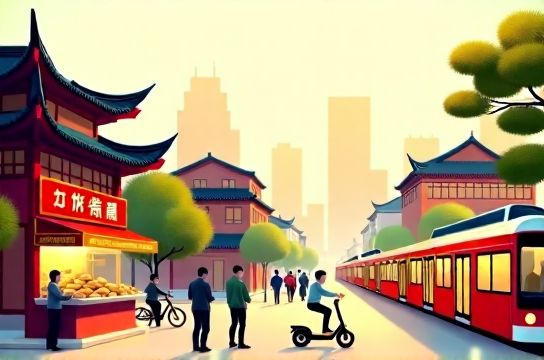
Locals don’t hit snooze. By 6:30 AM, retirees are doing tai chi in parks, while office workers queue for steaming jianbing (Chinese crepes). Skip Starbucks. Hit a corner breakfast cart instead. A hot congyoubing (scallion pancake) costs around ¥5 ($0.70)—cheap, tasty, and deeply authentic.
Public Transit? Yes, Please!
Taxis get stuck. Tour buses crawl. But metro systems? They’re the lifeline. Cities like Shanghai and Guangzhou boast some of the world’s most efficient subway networks. And guess what? It’s dirt cheap.
| City | Metro Fare (Avg) | Top Speed (km/h) | Daily Riders (Million) |
|---|---|---|---|
| Shanghai | ¥4 ($0.55) | 80 | 10.3 |
| Beijing | ¥5 ($0.70) | 80 | 12.1 |
| Shenzhen | ¥4.5 ($0.63) | 80 | 7.8 |
| Chengdu | ¥3 ($0.42) | 80 | 6.2 |
Pro tip: Download Alipay or WeChat Pay, link your passport, and scan to ride. No cash? No problem.
Eat Where the Locals Eat (Hint: Not on TripAdvisor)
If there’s a queue of locals at a hole-in-the-wall noodle joint, join it. In Chengdu, try dan dan mian from a family-run stall—spicy, numbing, unforgettable. In Xi’an, follow the crowd to a roujiamo (Chinese burger) vendor. These meals cost between ¥8–15 ($1.10–2.10) and offer more flavor than any five-star tasting menu.
Live in a Longtang or Hutong
Forget luxury hotels. Rent a room in a traditional hutong (Beijing) or longtang (Shanghai) neighborhood. You’ll share a courtyard, hear gossip over washing lines, and maybe even get invited to a neighbor’s dinner. Monthly rent? As low as ¥2,000 ($280) in less touristy areas.
Shop Smart: Markets Over Malls
While tourists flock to malls, locals dominate wet markets and bargain bazaars. In Guangzhou, Qingping Market sells everything from herbs to live frogs. In Beijing, Panjiayuan Flea Market is perfect for vintage finds. Haggling isn’t rude—it’s expected. Start at 30% of the quoted price and meet in the middle.
Cultural Immersion: Join the Community
Sign up for a free tai chi class in the park. Attend a calligraphy workshop. Swing by a public square dance at dusk. These aren’t performances—they’re daily rhythms. Locals appreciate the effort, even if your moves are awkward.
Final Thoughts
Living like a local in China’s urban centers isn’t about perfection. It’s about participation. Use the metro, eat cheap, talk to strangers, and embrace the chaos. Before you know it, you won’t just be visiting China—you’ll feel like you belong.