
Everyday Life in China Beyond Tourist Spots
- Date:
- Views:209
- Source:The Silk Road Echo
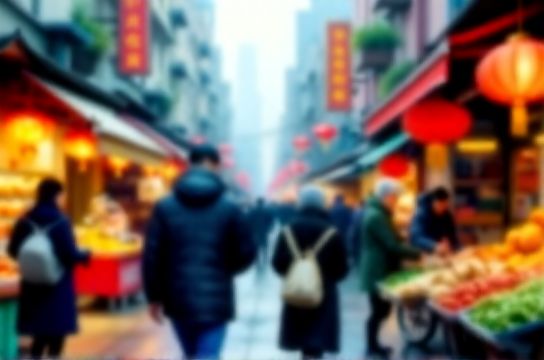
Think China is just about the Great Wall, pandas, and dim sum? Think again. While those are iconic, real Chinese life unfolds in quiet alleyways, bustling morning markets, and neighborhood tea stalls where locals sip oolong like it’s oxygen. Let’s peel back the postcard-perfect surface and dive into the rhythm of daily life in China — where tradition dances with modernity, and every street corner tells a story.
The Morning Hustle: Life Starts Early
In cities like Beijing and Chengdu, sunrise means qigong in the parks, aunties twirling ribbons, and uncles practicing tai chi with the focus of Zen masters. By 7 a.m., street vendors are already dishing out jianbing (savory crepes) and you tiao (crispy fried dough sticks). It’s not brunch — it’s breakfast fuel for millions.
Urban commuters flood subways by 8. Rush hour in Shanghai’s metro? Packed. But efficient. The system carries over 10 million riders daily, making it one of the busiest in the world.
Work & WeChat: The Digital Pulse
Gone are the days of paper memos. In China, WeChat isn’t just an app — it’s a lifestyle. From paying for street food to scheduling doctor visits, signing work emails, and even complaining about your landlord — all happen in one red-and-white icon.
Office culture blends hierarchy with hustle. Many white-collar workers follow the infamous “996” schedule — 9 a.m. to 9 p.m., 6 days a week — though younger generations are pushing back. Work-life balance? It’s a growing conversation.
Food: More Than Just Takeout
Sure, you’ve had Kung Pao chicken. But have you seen a Xi’an vendor hand-pull noodles in under 30 seconds? Or joined locals at a Sichuan huoguo (hot pot) joint, sweating through spice levels labeled “bearable,” “brave,” and “hospital visit”?
Eating is social. Dinner with friends often includes 8+ dishes, endless toasts (ganbei!), and someone always picking up the bill — sometimes after a playful fight over the check.
| City | Local Specialty | Avg. Meal Cost (USD) |
|---|---|---|
| Chengdu | Mapo Tofu | $1.50 |
| Guangzhou | Cantonese Dim Sum | $3.00 |
| Xi'an | Roujiamo (Chinese Hamburger) | $1.20 |
| Shanghai | Xiaolongbao | $2.50 |
Housing & Family Dynamics
Apartment sizes vary wildly. In first-tier cities like Beijing, a 40m² studio can cost $2,500/month. That’s why many young adults live with parents until marriage — not out of laziness, but necessity. Property prices in Shanghai average $15,000 per square meter in prime areas.
Family remains central. Sunday dinners, Lunar New Year reunions, and elders helping raise grandkids are common. Filial piety isn’t outdated — it’s woven into daily respect.
Leisure: Parks, Phones & Pastimes
Evenings belong to public spaces. Grandmas dance to pop remixes in plazas (yes, it’s loud, yes, it’s awesome). Teens scroll Douyin (China’s TikTok) on bullet trains. And card games? Bridge and mahjong tables fill parks with laughter and fierce competition.
Weekend getaways are trending. High-speed rail lets you zip from Guangzhou to Changsha (300 miles) in under two hours — for less than $30.
The Quiet Contrast
Beneath the skyscrapers and tech boom, old customs endure. You’ll see elderly men playing Chinese chess with bottle caps as pieces, or neighbors sharing thermoses of tea on folding stools. It’s a country where ancient philosophies coexist with AI startups.
So next time you think of China, skip the souvenir shops. Instead, picture a man biking home with a live fish flapping in a plastic bag, a student cramming for gaokao exams, or a night market sizzling with skewers and stories. That’s the real China — messy, vibrant, and deeply human.