
The Rhythm of Daily Life in Chinese Villages
- Date:
- Views:391
- Source:The Silk Road Echo
Ever wondered what it’s really like to wake up with the rooster and wind down under a sky full of stars? Welcome to the heartbeat of rural China—where life moves at nature’s pace, not Wi-Fi speed. In over 500,000 villages across China, millions live a life rooted in tradition, community, and seasonal rhythm. Let’s take a deep dive into the quiet magic of daily village life.
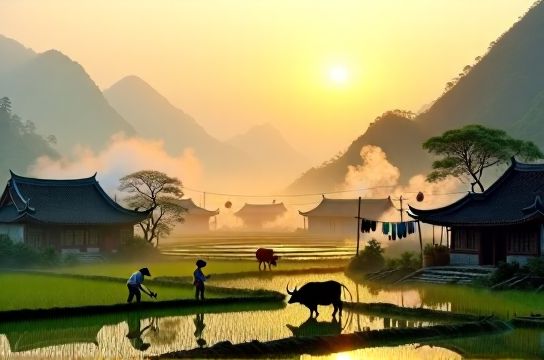
The Morning Hustle: Farming & Family
Sunrise is no metaphor here—it’s the alarm clock. Most villagers rise by 5:30 AM, especially during planting or harvest season. Men head to the fields, while women prepare breakfast (think steamed buns, congee, and pickled vegetables) and tend to livestock.
Farming remains the backbone of village economies. Rice, wheat, and corn dominate crop production, with small-scale family plots averaging 0.5 to 2 hectares. Despite urbanization, agriculture still employs about 25% of China’s workforce, many of whom are based in rural areas.
| Activity | Time | Typical Tasks |
|---|---|---|
| Morning | 5:30 AM – 8:00 AM | Farm work, animal feeding, breakfast prep |
| Midday | 8:30 AM – 12:00 PM | Field labor, irrigation, market trips |
| Afternoon | 1:00 PM – 4:30 PM | Rest, light chores, tea breaks |
| Evening | 5:00 PM – 7:30 PM | Cooking, family time, village walks |
| Night | 8:00 PM onward | TV, card games, early sleep |
Seasonal Swings: The Agricultural Calendar
Village life dances to the seasons. Spring means rice transplanting; summer brings intense heat and irrigation duties; autumn is golden with harvests; winter slows things down, perfect for repairs and festivals.
In southern provinces like Hunan and Jiangxi, double-cropping rice systems mean farmers plant twice a year—one cycle ending in July, the next harvested in November. This keeps families busy but ensures food security.
Community Over Convenience
No Amazon Prime, but plenty of heart. Villagers rely on tight-knit networks. If someone needs help harvesting, neighbors show up—no questions asked. Elderly folks sit outside homes chatting; kids play freely in alleys. There’s no rush, just rhythm.
Local markets, held every 3–5 days, are social hubs. Farmers sell surplus produce, buy essentials, and catch up on gossip. Cash still rules, though mobile payments like WeChat Pay are creeping in—even in remote areas.
Modern Touches Meet Ancient Roots
Don’t think these villages are frozen in time. Thanks to China’s rural revitalization policy, many now have paved roads, internet access, and even e-commerce drop-off points. Young people run online shops selling honey, tea, or handmade crafts to cities.
Yet, traditions hold strong. Lunar New Year sees entire families reunite. Ancestral worship, temple fairs, and dragon dances keep culture alive. It’s a blend—old soul, new tools.
Why This Rhythm Matters
In a world obsessed with hustle, Chinese villages offer a masterclass in balance. Life isn’t measured in likes or salaries, but in harvests, health, and harmony. As urban burnout rises, more city dwellers are visiting—or even returning—to embrace this grounded way of living.
So next time you’re scrolling through life at lightning speed, remember: somewhere in China, a farmer is sipping tea at sunset, content with a day well spent. Maybe that’s the real success story.