
Immersing in Tea Culture China One Cup at a Time
- Date:
- Views:238
- Source:The Silk Road Echo
China isn’t just the birthplace of tea—it’s a living, breathing tea ceremony that unfolds in bustling cities, misty mountain villages, and quiet courtyards across the country. If you’ve ever sipped a warm cup of jasmine or oolong and wondered, ‘Where did this magic begin?’—you’re in for a treat. Let’s dive into the heart of Chinese tea culture, one fragrant brew at a time.
The Roots Run Deep: A Sip of History
Tea in China dates back over 5,000 years. Legend has it that Emperor Shen Nong discovered tea when leaves from a wild tree blew into his boiling water. Since then, tea evolved from medicinal tonic to cultural cornerstone. By the Tang Dynasty (618–907 AD), Cha Jing (The Classic of Tea) by Lu Yu became the world’s first definitive guide on tea cultivation and preparation.
Today, tea isn’t just drunk—it’s experienced. From morning gongfu cha sessions to evening chats over pu-erh, tea is woven into daily life like calligraphy into silk.
Meet the Main Characters: China’s Top Tea Varieties
China produces over 500 types of tea, but here are the rockstars you need to know:
| Tea Type | Region | Caffeine Level | Flavor Profile | Average Price (USD/100g) |
|---|---|---|---|---|
| Longjing (Dragon Well) | Hangzhou, Zhejiang | Medium | Grassy, nutty, smooth | $12–$30 |
| Dahongpao (Big Red Robe) | Wuyi Mountains, Fujian | High | Toasted, mineral, floral | $20–$100+ |
| Baihao Yinzhen (Silver Needle) | Fujian | Low | Sweet, delicate, floral | $15–$40 |
| Pu-erh (Aged & Raw) | Yunnan | Medium-High | Earthy, woody, complex | $10–$200+ |
| Jasmine Pearl | Guangxi, Fujian | Low-Medium | Fragrant, floral, refreshing | $8–$20 |
Pro tip: The price spikes? That’s because some teas, like vintage pu-erh or single-bush Longjing, are treated like fine wine—aged, auctioned, and revered.
Gongfu Cha: More Than a Brew, It’s a Ritual
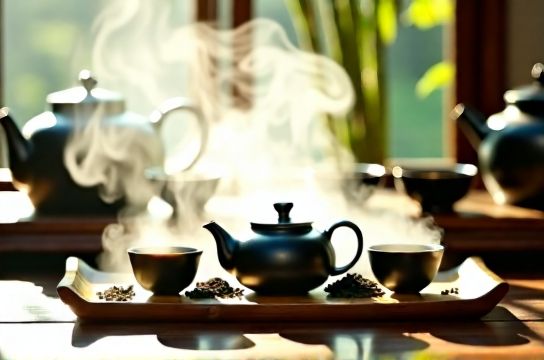
If you really want to feel tea culture, try gongfu cha—the ‘skillful method’ using small clay teapots (Yixing), precise water temps, and multiple short steeps. Each infusion reveals new layers, like peeling an onion made of aroma and warmth.
Here’s what a typical session looks like:
- Water Temp: 80°C for green, 95°C+ for oolong/pu-erh
- Steep Time: 10–30 seconds per round
- Tools: Gaiwan, pitcher, aroma cups, tiny tasting cups
- Rounds: Up to 10+ infusions from one leaf batch
It’s not about rushing—it’s mindfulness in liquid form.
Where to Go: Tea Experiences You Can’t Miss
- Hangzhou’s Meijiawu Village: Sip Longjing while overlooking emerald tea fields.
- Fujian’s Wuyi Mountain: Hike through cliffside tea gardens where Dahongpao grows.
- Yunnan’s Pu-erh Markets: Sample aged bricks and chat with tea masters in Xishuangbanna.
- Chengdu Teahouses: Join locals playing mahjong over endless pots of loose-leaf brew.
Final Steep: Why This Matters
In a world of instant everything, Chinese tea culture reminds us to slow down, savor, and connect. It’s not just about flavor—it’s philosophy in a cup. Whether you're sipping Silver Needle under a pagoda or brewing pu-erh in your kitchen, you’re part of a legacy thousands of years in the making.
So go ahead—steep it, smell it, sip it. China’s tea story is yours to taste.