
How Locals Start Their Morning in China
- Date:
- Views:249
- Source:The Silk Road Echo
If you've ever wandered through a bustling Chinese city at sunrise, you know one thing for sure: mornings here are loud, lively, and full of flavor. Forget quiet coffee sips and silent yoga—China’s morning routine is a sensory explosion. From steaming street vendors to tai chi in the park, let’s dive into how locals kick off their day—with energy, tradition, and a side of dumplings.
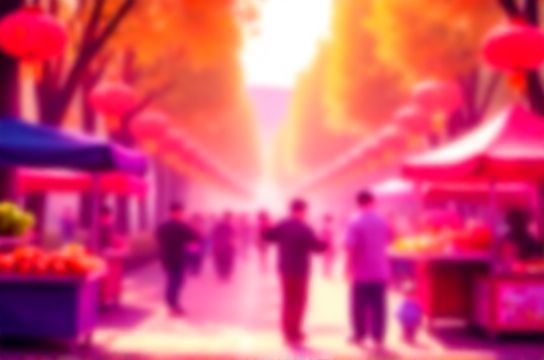
The Early Bird Gets the Baozi
In cities like Beijing, Shanghai, and Guangzhou, the day starts early—often before 6 a.m. Why? Because that’s when the best jianbing (savory crepes) are made, and no local wants to miss out. Street food isn’t just convenience; it’s culture. A typical breakfast might include:
- Jianbing – crispy, eggy crepes with hoisin, chili, and scallions
- Baozi – steamed buns stuffed with pork, veggies, or red bean paste
- Youtiao – deep-fried dough sticks dipped in soy milk
- Dim sum – especially in the south, where tea houses open early
A 2023 survey by China Food Daily found that over 68% of urban residents eat breakfast from street vendors at least three times a week. That’s not just habit—it’s love.
Morning Movement: Tai Chi & Square Dancing
While some grab bites, others grab space—in parks across the country, thousands practice tai chi or join early-morning square dance crews. Yes, dancing before 7 a.m. is not only normal—it’s encouraged.
In Shanghai’s People’s Park, over 1,200 seniors gather daily for synchronized routines. It’s fitness, social life, and cultural expression rolled into one. The music? Think upbeat folk remixes blasting from portable speakers.
| City | Popular Morning Activity | Avg. Start Time | Typical Breakfast |
|---|---|---|---|
| Beijing | Tai Chi in Temple Park | 5:45 AM | Baozi + Soy Milk |
| Shanghai | Square Dancing | 6:15 AM | Jianbing |
| Guangzhou | Dim Sum Brunch | 7:00 AM | Har Gow, Char Siu Bao |
| Chengdu | Park Chess & Tea | 6:30 AM | Spicy Noodle Soup |
Tea, Tranquility, and Tradition
In smaller towns and among older generations, mornings are slower. In Chengdu, you’ll find elders playing chess under bamboo trees, sipping longjing tea, and debating politics. This isn’t laziness—it’s lifestyle. These rituals connect people to history, community, and calm.
Meanwhile, younger crowds in tech hubs like Shenzhen are blending old and new. You’ll see office workers grabbing a bubble tea-inspired breakfast smoothie while scrolling WeChat—yes, milk tea for breakfast is a growing trend.
Why It Matters: More Than Just Routine
China’s morning culture reflects its soul: communal, resilient, and deeply rooted in rhythm. Whether it’s the vendor who knows your usual order or the neighbor who waves during tai chi, these moments build belonging.
And for travelers? Joining a local morning ritual is the fastest way to go beyond tourism. Try a jianbing from a street cart. Take a tai chi class in the park. Sip tea like a Chengdu native. You won’t just see China—you’ll feel it.
So next time you’re in China, set that alarm. The best part of the day starts before most of the world hits snooze.