
The Sound of Woks in a Hong Kong Wet Market
- Date:
- Views:209
- Source:The Silk Road Echo
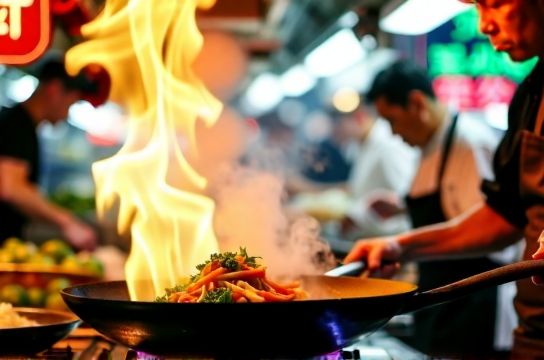
If you've ever wandered through a Hong Kong wet market at dawn, you know it's not just a place to buy groceries—it's a full-body sensory experience. The rhythmic clang of cleavers, the sizzle of oil in woks, and the chatter of aunties haggling over bok choy create a symphony that’s equal parts chaos and harmony. This is where Hong Kong’s culinary soul lives: raw, real, and unfiltered.
What Exactly Is a Wet Market?
The term 'wet market' comes from the water used to keep floors clean and produce fresh—hence, things get damp. Unlike supermarkets, these markets specialize in fresh meat, seafood, vegetables, and live animals (though regulations have tightened). They’re called wet because of the ice melt and constant rinsing—not because they’re shady or illegal, as some Western media wrongly suggest.
In Hong Kong, wet markets make up over 40% of fresh food retail. With more than 75 government-licensed markets across the city, they serve millions daily. Locals trust them for quality, freshness, and unbeatable prices.
A Day in the Life: Timings Matter
To truly appreciate the sound of woks, you’ve got to come early. By 6:30 AM, stalls are already firing up portable stoves. Vendors fry dumplings, steam buns, and stir-fry morning noodles right on-site. Why? Because nothing sells like hot food in a hungry city.
Here’s a quick breakdown of peak hours:
| Time | Activity Level | Tips |
|---|---|---|
| 6:00–8:00 AM | Peak (locals shop) | Best selection; go early for live seafood |
| 8:00–11:00 AM | High | Tourists arrive; prices stable |
| 11:00 AM–2:00 PM | Moderate | Vendors may offer discounts on perishables |
| After 2:00 PM | Low | Bargain hard—but check freshness |
The Wok Hei Culture: More Than Just Heat
You’ll hear it before you see it—the loud whoosh of gas flames and the metallic clatter of a chef tossing ingredients skyward. That’s wok hei, literally 'the breath of the wok,' a flavor born from searing heat, smoke, and split-second timing. It’s what makes street stir-fries taste unlike anything from your home kitchen.
Scientists have even studied it. At temperatures exceeding 400°F (204°C), amino acids and sugars undergo rapid Maillard reactions, creating complex smoky notes. But it’s not just chemistry—it’s skill. One slip, and your gai lan turns bitter.
Must-Visit Wet Markets in Hong Kong
- Temple Street Market – Famous at night, but mornings bring authentic local energy.
- Yau Ma Tei Wholesale Fruit Market – A behind-the-scenes look at distribution.
- North Point Market – Beloved by chefs for premium seafood.
- Sheung Wan Market – Close to Central, tourist-friendly yet genuine.
Pro Tips for First-Timers
- Cash is king. Most vendors don’t take cards.
- Bring a tote bag—plastic bags cost HK$1 now (eco-policy).
- Point, smile, and try basic Cantonese: “Do jei” (How much?)
- Don’t touch produce unless invited—respect goes a long way.
The sound of woks isn’t just background noise. It’s the heartbeat of Hong Kong’s food culture—a daily ritual where tradition meets appetite. Come for the groceries, stay for the aroma of garlic and nostalgia.