
Simple Joys of Tea Time in Suzhou Gardens
- Date:
- Views:203
- Source:The Silk Road Echo
There’s something quietly magical about sipping tea in a Suzhou garden. It’s not just about the brew—it’s the rustle of bamboo, the whisper of koi gliding beneath red carp ponds, and the way morning mist curls around ancient pavilions. In Suzhou, tea time isn’t rushed; it’s a ritual woven into the city’s poetic soul.
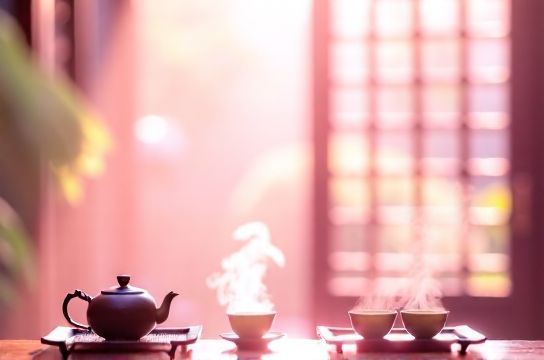
Suzhou, often called the 'Venice of the East,' is famed for its classical gardens—UNESCO World Heritage sites where nature and design dance in perfect harmony. And within these serene spaces, tea culture blooms like plum blossoms in early spring.
Let’s talk numbers: over 60 classical gardens once dotted Suzhou; today, nine remain fully preserved, with five open to tea lovers and wanderers alike. Locals say the best moment for tea? 8–10 AM, when sunlight filters through lattice windows and the crowds haven’t arrived.
Top 3 Gardens for a True Tea Experience
| Garden | Tea Offered | Avg. Price (CNY) | Best Spot |
|---|---|---|---|
| Humble Administrator’s Garden | Biluochun Green Tea | 35 | Lake-view Pavilion |
| Lingering Garden | Jasmine Pearl | 40 | Orchid Courtyard |
| Master of the Nets Garden | Oolong Mountain Mist | 50 | Moon Gate Tearoom |
Now, why Biluochun? This local gem from Dongting Mountain is one of China’s most fragrant green teas—its name means 'Green Snail Spring,' thanks to its coiled leaves. With notes of fruit and flowers, it’s delicate, refreshing, and pairs perfectly with a steamed osmanthus cake.
But here’s the insider tip: skip the tourist-packed main halls. Instead, slip into a quiet corner tearoom—many hidden ones require no reservation and cost less than 50 yuan. Ask for “qingcha” (clear tea), and watch as the server pours water at just the right temperature to preserve the leaves’ essence.
Tea in Suzhou isn’t just about taste—it’s about time. Locals linger for hours, refilling gaiwans three or four times as they chat, sketch, or simply stare at ripples in the pond. One retiree told me, “The garden teaches patience. So does tea.”
And if you visit in spring? Don’t miss the annual Suzhou Tea & Blossom Festival (March–April), where garden teahouses serve limited-edition infusions like peach-blossom oolong and pine-smoked lapis tea. Event data shows over 12,000 visitors attended last year’s festival, with tea sampling sessions booking out weeks in advance.
So, bring slow energy. Wear comfy shoes. Let the scent of wet stone and steeping leaves ground you. In Suzhou’s gardens, tea isn’t just drunk—it’s felt.
Whether you're a seasoned tea pilgrim or a curious traveler, this quiet ritual offers a sip of timeless calm. After all, as the old saying goes: “One cup for refreshment, two for companionship, three for the soul.”