
Living Like a Local in Beijing's Hutongs
- Date:
- Views:299
- Source:The Silk Road Echo
Ever dreamed of stepping into old-world China, where red lanterns sway above cobblestone alleys and the smell of jianbing fills the morning air? Welcome to Beijing’s hutongs—centuries-old alleyways that are the soul of the city. Forget luxury hotels and tourist traps; living like a local here means waking up to大爷 (dà yé) playing chess by the courtyard gate and sharing tea with grandma on her folding stool.
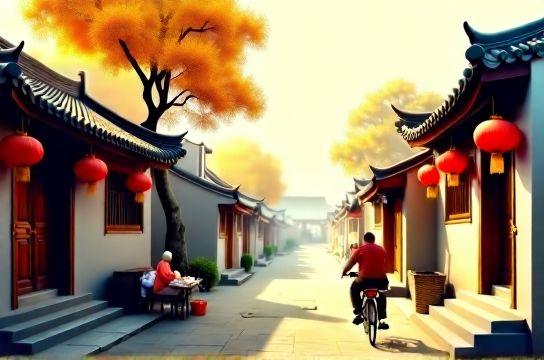
The Heartbeat of Old Beijing
The hutongs aren’t just streets—they’re time machines. Built during the Yuan Dynasty (13th century), over 6,000 once crisscrossed Beijing. Today, around 1,000 remain, mostly clustered near historic sites like the Bell Tower and Prince Gong’s Mansion. These narrow lanes, often no wider than 5 meters, were designed around siheyuan (courtyard homes), where extended families lived in harmony.
But don’t think it’s all nostalgia. Modern life pulses through these alleys. Electric bikes zip past noodle stalls, kids chase each other after school, and WeChat Pay pings at tiny convenience shops. It’s tradition meeting hustle—and it’s magical.
Why Live in a Hutong?
- Cultural Immersion: No museum can match daily chats with locals.
- Affordable Living: Rent in central hutongs starts at ~¥3,000/month for a renovated studio.
- Location, Location: Steps from subway lines, yet worlds away from chaos.
Hutong Living: By the Numbers
| Feature | Average in Hutong Homes | Citywide Average |
|---|---|---|
| Apartment Size (sqm) | 45–70 | 85 |
| Rent (per month) | ¥3,000 – ¥6,000 | ¥8,000+ |
| Walk Score® | 92 | 76 |
| Local Shop Density | 18 per km | 9 per km |
Source: Beijing Municipal Statistics Bureau, 2023; Walk Score® Data
How to Experience It (Without Moving In)
You don’t need to rent a courtyard to live like a local. Here’s how to dive in:
- Take a Slow Morning Walk: Hit Dongsi or Houhai hutongs by 7 AM. Watch tai chi rituals, grab a fresh soy milk, and smile at curious locals.
- Cook with a Hutong Grandma: Book a cooking class through platforms like Xiaozhu or Dianping. Make dumplings, learn secrets of zhajiangmian, and eat family-style.
- Bike the Alleys: Rent a shared bike (HelloBike app) and explore hidden temples, street art, and hole-in-the-wall bars.
- Stay in a Courtyard Airbnb: Dozens of restored siheyuans offer private rooms with modern comforts. Search “Beijing courtyard stay” for options from ¥500/night.
Tips from the Locals
Want to blend in? Follow these unwritten rules:
- Bring a Folding Stool: If you see neighbors chatting, pull up and sit. No invite needed.
- Learn Three Phrases: “Nǐ hǎo,” “Xièxie,” and “Zhè ge duōshǎo qián?” go a long way.
- Respect Privacy: These are homes, not photo ops. Ask before snapping pictures of people.
The hutongs aren’t frozen in time—they’re evolving. But amid the change, they hold something rare: community. So ditch the guidebook, wander without GPS, and let a grandpa pour you baijiu from a thermos. That’s not tourism. That’s living.