
The Secret Behind China's Vibrant Morning Markets
- Date:
- Views:272
- Source:The Silk Road Echo
If you've ever wandered through a Chinese city at dawn, you’ve probably stumbled upon something magical: the morning market. More than just a place to buy groceries, these bustling hubs are where culture, community, and commerce collide in the most delicious way possible.
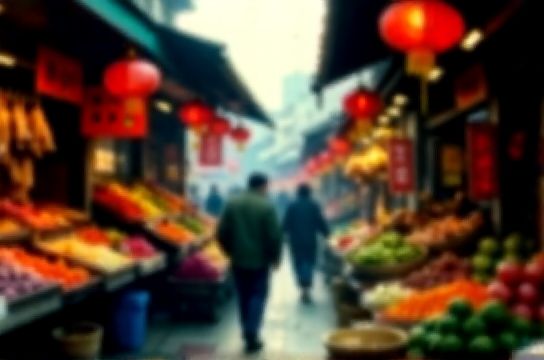
From steaming buns to rainbow-colored vegetables, morning markets in China are sensory explosions. But beyond the vibrant chaos lies a well-oiled machine of tradition, efficiency, and local pride. Let’s dive into what makes these markets so special—and why they’re worth waking up early for.
The Heartbeat of Local Life
In cities like Chengdu, Guangzhou, and Xi’an, morning markets kick off as early as 5 a.m. Locals flock to stalls selling everything from live frogs (yes, really) to handmade tofu. These aren’t supermarkets with sterile aisles—they’re lively social spaces where bargaining is part of the fun and trust is built over years of daily interaction.
According to a 2023 survey by China Daily, over 68% of urban residents still prefer buying fresh produce from wet markets rather than chain stores. Why? Because freshness matters—and nothing beats fish still flapping or herbs that were pulled from the ground hours earlier.
What Makes These Markets Tick?
It’s not just about availability—it’s about authenticity. Most vendors source directly from nearby farms or even grow their own goods. This farm-to-table cycle takes hours, not days.
Here’s a snapshot of a typical morning market setup in southern China:
| Product Category | Average Price (CNY) | Freshness Score (1-10) | Source Distance (km) |
|---|---|---|---|
| Leafy Greens | 3–5 | 9.5 | 15 |
| Fresh Fish | 20–40 | 9.8 | 30 |
| Dumplings (homemade) | 10/kg | 9.0 | 5 |
| Tropical Fruit | 8–15 | 9.2 | 50 |
As you can see, prices stay low thanks to minimal middlemen, and freshness scores are sky-high. The short supply chains also mean lower carbon footprints—making these markets surprisingly eco-friendly.
Culture Served Fresh
Morning markets aren’t just transactional—they’re cultural institutions. In Hangzhou, elders practice tai chi between noodle stalls. In Kunming, flower vendors sell bouquets before sunrise, perfuming entire streets.
And let’s talk food. No guide would be complete without mentioning the snacks. Try jianbing (a savory crepe), you条 (crispy fried dough sticks), or congee served piping hot from a thermos. These breakfast staples fuel millions every day—and cost less than $1.
Survival Tips for First-Timers
- Go early: Best picks are gone by 8 a.m.
- Bring cash: While mobile pay is common, small vendors may prefer bills.
- Point & smile: Language barriers? No problem. A smile and gesture go a long way.
- Dress ready to explore: Cobblestones, crowds, and occasional puddles await.
Pro tip: Follow the locals. If a stall has a line, it’s worth joining.
Final Thoughts
China’s morning markets are more than places to shop—they’re living snapshots of daily life, where tradition thrives amid modernity. Whether you're a traveler seeking authenticity or a curious foodie, these markets offer an unfiltered taste of China’s soul.
So next time you’re in China, skip the hotel buffet. Hit the streets at sunrise. That steaming bun in your hand? It’s not just breakfast—it’s a story.