
From Farm to Table in Rural Chinese Markets
- Date:
- Views:195
- Source:The Silk Road Echo
Ever wondered where your morning tofu or that basket of leafy greens really comes from? Let’s take a rustic journey into the heart of rural China, where the farm-to-table movement isn’t a trendy hashtag—it’s a centuries-old way of life. Forget sterile supermarkets; here, food is still picked by hand, traded at dawn markets, and cooked with generational wisdom.
In villages across Yunnan, Sichuan, and Guangxi, smallholder farmers grow over 70% of China’s fresh produce, according to the Ministry of Agriculture. These aren’t industrial farms with GPS-guided tractors. We’re talking about terraced rice paddies carved into mountainsides and family plots no bigger than a basketball court. Yet, they feed millions—quietly, sustainably, and deliciously.
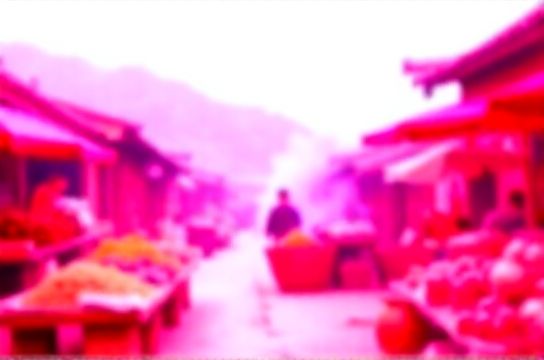
The real magic happens at the local morning markets. Picture this: mist rising over bamboo stalls, the scent of ginger and garlic in the air, and elderly vendors selling just-harvested bok choy still damp with dew. These markets are more than shopping spots—they’re community hubs. In Guizhou alone, over 12,000 rural markets operate weekly, connecting 80 million consumers directly with farmers.
Let’s break down what makes these markets tick:
| Market Feature | Typical Items Sold | Avg. Price (CNY) | Farm-to-Table Time |
|---|---|---|---|
| Village Morning Market | Leafy greens, herbs, eggs | 3–8 | <12 hours |
| County Weekend Bazaar | Rice, pickles, free-range chicken | 10–25 | <24 hours |
| Highland Organic Co-op | Wild mushrooms, tea, honey | 30–80 | <48 hours |
Notice the price difference? It’s not just about organic labels. Freshness equals flavor—and safety. With zero cold-chain logistics, food moves fast. A cucumber plucked at 5 a.m. might be stir-fried by 9 a.m. Compare that to urban supply chains, where produce travels an average of 1,200 kilometers before reaching your plate.
But it’s not all poetic sunrises and farm-fresh bliss. Challenges exist. Many young people migrate to cities, leaving aging farmers behind. And while pesticide use has dropped by 30% since 2015 thanks to government eco-initiatives, inconsistent standards remain a concern.
Still, there’s hope. Programs like “Green Villages, Clean Food” support sustainable farming and digital market access. Some co-ops now use WeChat mini-programs to sell directly to city dwellers craving authenticity. One village in Yunnan increased farmer incomes by 40% in two years through such platforms.
So next time you bite into crisp Chinese broccoli or sip on artisanal rice wine, remember: it might have started on a hillside farm, nurtured by hands that know the soil like family. That’s not just food—it’s heritage on a plate.
If you're traveling rural China, skip the tourist traps. Wake up early. Hit the local market. Talk to the farmers. Taste the truth. Because real flavor doesn’t come from labs or logos—it grows in the earth, one season at a time.