
The Rhythm of Morning Exercises in Chinese Parks
- Date:
- Views:290
- Source:The Silk Road Echo
If you've ever wandered into a Chinese park at sunrise, you’ve probably been greeted by a symphony of movement: tai chi practitioners gliding like water, aunties dancing in perfect sync to upbeat pop songs, and uncles swinging their arms with military precision. Welcome to the rhythm of morning exercises in China — a daily ritual that’s equal parts fitness, community, and culture.
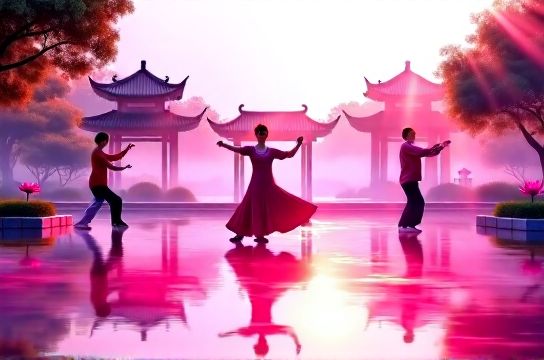
More than just a workout, morning exercise in Chinese parks is a social institution. It’s where retirees start their day with purpose, connection, and a little bit of flair. According to a 2022 survey by China Daily, over 65% of adults aged 55+ participate in some form of organized morning activity in public parks — that’s tens of millions of people moving in harmony before breakfast.
The Beat Behind the Movement
So what exactly are they doing? The routines vary, but here’s a snapshot of the most common practices:
| Activity | Time Spent (avg) | Primary Age Group | Health Benefits |
|---|---|---|---|
| Tai Chi | 45 minutes | 60–75 | Balance, stress reduction, joint health |
| Square Dancing | 60+ minutes | 50–65 | Cardio, coordination, social bonding |
| Qigong | 30 minutes | 65+ | Breath control, energy flow, mental clarity |
| Group Calisthenics | 20–30 minutes | 55–70 | Flexibility, muscle tone, heart health |
These aren’t random workouts. Many routines are rooted in traditional Chinese medicine and martial arts philosophy. Tai chi, for example, isn’t just slow-motion shadowboxing — it’s about cultivating qi (life energy) and aligning body and mind.
Why Parks? Why So Early?
Parks offer open space, fresh air, and — importantly — free access. In crowded cities like Beijing or Shanghai, private gyms can be expensive and time-consuming to reach. Public parks, however, are democratic spaces where anyone can join.
As for timing, sunrise (around 5:30–6:30 a.m.) is considered the optimal window for balancing yin and yang energies. Plus, let’s be real — it’s cooler, quieter, and the pavement hasn’t turned into a sauna yet.
The Social Pulse of the Park
Don’t underestimate the power of the group. These morning sessions are as much about friendship as fitness. Many participants have been meeting at the same spot for years, sometimes decades. They bring their own music, mats, and even portable speakers blasting everything from Canto-pop to disco remixes.
In fact, square dance crews often compete informally, with teams choreographing new routines weekly. Some have even gone viral on Douyin (China’s TikTok), amassing thousands of followers.
Criticism & Controversy
It’s not all harmonious vibes. Noise complaints from nearby residents have sparked debates in cities across China. In response, some municipalities now enforce volume limits or designate specific ‘dance zones’ with sound-absorbing surfaces.
Still, most locals agree: the benefits outweigh the buzz. A 2021 study published in Frontiers in Public Health found that regular park exercisers reported 30% lower stress levels and higher life satisfaction than sedentary peers.
Want to Join In?
Visitors are often welcomed with smiles (and maybe a side-eye if you’re filming). If you’re traveling in China, grab your sneakers and head to a local park early. Just follow the beat, respect personal space, and don’t be shy — everyone was a beginner once.
Morning exercises in Chinese parks aren’t just about staying fit. They’re a living tradition — rhythmic, resilient, and refreshingly human.