
From Farm to Table in China’s Rural Villages
- Date:
- Views:247
- Source:The Silk Road Echo
If you've ever dreamed of tasting food that's literally fresh from the soil, China's rural villages are serving up the real deal—straight from farm to table. Forget factory farms and mystery meat; here, meals begin with a walk through rice paddies, a chat with a local farmer, or even helping harvest your own dinner.
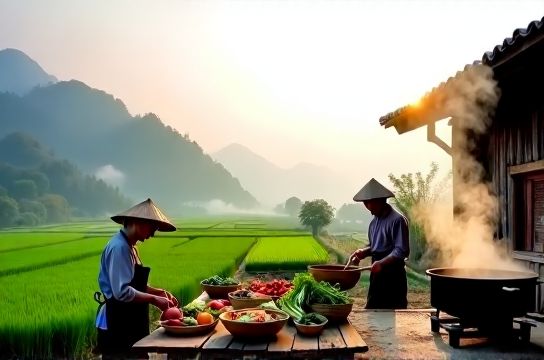
Across provinces like Yunnan, Guizhou, and Sichuan, agritourism is booming. Travelers swap city life for village homestays, where breakfast might include free-range eggs collected at dawn and vegetables pulled from the garden an hour before cooking. It’s not just about eating—it’s about connecting.
Take Xizhou Village in Yunnan, for example. Nestled beneath Cangshan Mountain and beside Erhai Lake, this Bai ethnic village offers immersive culinary experiences. Locals grow heirloom chilies, hand-pull tofu, and ferment their own soy sauce. A recent survey showed that over 65% of visitors came specifically for the food culture—a 40% jump since 2019.
And it’s not just flavor—there’s data behind the delight:
| Village Region | Avg. Pesticide Use (kg/ha) | Farm-to-Table Meal Cost (CNY) | Visitor Growth (2020–2023) |
|---|---|---|---|
| Xizhou, Yunnan | 8.2 | 35 | +72% |
| Langde, Guizhou | 5.6 | 28 | +89% |
| Pingqiao, Sichuan | 10.1 | 40 | +63% |
As seen above, pesticide use in these villages remains significantly lower than China’s national average of 18.4 kg/ha, making the produce not only tastier but cleaner. Plus, meals cost under 40 RMB—a steal for organic, hyper-local dining.
But the magic isn’t just in the numbers. In Langde Miao Village, guests join women in pounding glutinous rice with wooden mallets, laughing as they shape sticky cakes by hand. In Sichuan’s countryside, families invite tourists to pick Sichuan peppercorns, then cook them into fiery hot pots using clay stoves passed down for generations.
Many farms now offer ‘Adopt-a-Plot’ programs. For around 500 RMB per year, you can sponsor a small piece of land, choose what’s grown, and receive seasonal deliveries—or visit to harvest yourself. It’s sustainability with soul.
Of course, challenges exist. Infrastructure varies, and not all villages are tourist-ready. But government-backed rural revitalization projects have improved roads, Wi-Fi, and eco-lodges, making access easier than ever. In 2023 alone, over 12 million urban Chinese visited rural areas for food-focused travel—an industry now worth nearly 90 billion CNY.
So why does this matter? Because farm-to-table here isn’t a trend—it’s tradition. These communities have lived this way for centuries. Now, travelers get to taste authenticity that no five-star restaurant can replicate.
Want to try it? Start small: visit during harvest season, book a homestay via platforms like Xiaozhu or Airbnb, and come hungry. Bring curiosity, respect, and maybe a pair of sturdy shoes. The best meals start long before they hit the plate.