
Tea Ceremonies and Daily Rituals in Hangzhou
- Date:
- Views:243
- Source:The Silk Road Echo
If you've ever sipped a cup of Longjing (Dragon Well) tea while gazing over emerald-green tea fields nestled among misty hills, then you’ve tasted the soul of Hangzhou. This poetic city isn’t just about West Lake sunsets or ancient pagodas — it’s a living ritual of tea, tradition, and mindful daily rhythms that have been perfected over centuries.
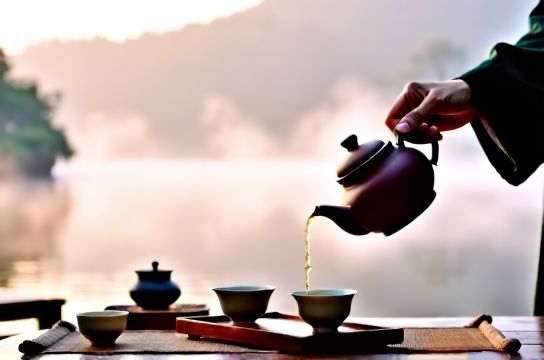
Hangzhou, once dubbed 'Heaven on Earth' by Chinese poets, is the spiritual home of Chinese tea culture. Every morning, locals rise not to blaring alarms, but to the soft whistle of kettles and the delicate aroma of freshly steeped green tea. It’s more than a drink — it’s a ceremony, a lifestyle, a quiet rebellion against the rush of modern life.
The Heart of Hangzhou: Longjing Tea
No conversation about Hangzhou’s tea rituals starts without Longjing. Grown primarily in the West Lake area, especially in villages like Meijiawu and Longjing Village, this pan-fired green tea is celebrated for its flat leaves, chestnut-like fragrance, and smooth, sweet aftertaste.
According to the Hangzhou Tea Association, over 90% of China's premium Longjing comes from this region, with annual yields averaging around 300 tons. But here’s the kicker: real early-spring ‘Ming Qian’ Longjing (plucked before Qingming Festival) can sell for over $1,000 per kilogram.
| Type of Longjing | Harvest Time | Flavor Profile | Avg. Price (USD/kg) |
|---|---|---|---|
| Ming Qian | Early March – Apr 4 | Delicate, floral, sweet | 800–1,200 |
| Yu Qian | Apr 5 – Apr 20 | Bolder, nutty | 300–600 |
| Post-Qian | Late April onward | Grassy, robust | 100–250 |
Tea Ceremonies: More Than Just Brewing
In Hangzhou, brewing tea is an art form. The traditional Gongfu Cha method might be associated with Fujian or Taiwan, but locals here have their own elegant spin — simple, serene, and deeply intentional.
Imagine this: a hand-carved wooden tea table, a Yixing clay pot warmed with care, water heated to just under boiling (around 80°C for Longjing), and tea leaves swirling gently like dancers in a glass gaiwan. The first pour? That’s for awakening the leaves — never drunk. The second infusion is where magic happens: golden-green liquor, steaming softly, releasing whispers of spring.
Many teahouses, like Cloudy Seven near West Lake, offer immersive tea experiences. For as little as $15 USD, you can join a 90-minute session led by a tea master who’ll guide you through aroma appreciation, multiple infusions, and even calligraphy pairing.
Daily Tea Rituals: Life in Every Sip
But it’s not all ceremonies and tourists. For locals, tea is woven into the fabric of everyday life. Morning markets buzz with vendors selling fresh leaves. Office workers keep personal tea sets at their desks. Elders gather in parks at dawn, thermoses in hand, sharing stories over endless refills.
A 2023 survey by Zhejiang University found that 78% of Hangzhou residents drink tea daily, with an average consumption of 3 cups per person. Green tea dominates, making up nearly 90% of intake.
And yes — tea even shapes social etiquette. Refusing a cup can seem cold. Letting your cup run dry? A signal you’re done — so hosts stay vigilant with the kettle.
How to Experience It Like a Local
- Visit during spring harvest (March–April): Join a picking tour and taste tea within hours of plucking.
- Stay in a tea plantation homestay: Places like Meijiawu offer cozy rooms with lake views and private tea sessions.
- Learn the basics: Watch how water temperature and steep time affect flavor — it’s science and soul in one.
Hangzhou doesn’t shout its wisdom. It whispers it — in steam, in silence, in the slow unfurling of a tea leaf. Come for the scenery, stay for the sip. And let the rhythm of tea teach you how to live a little slower, a lot deeper.