
Understanding Local Lifestyle China Through Food
- Date:
- Views:227
- Source:The Silk Road Echo
If you want to truly understand Chinese culture, skip the guidebooks for a moment and head straight to the dinner table. In China, food isn’t just fuel—it’s family, history, identity, and love rolled into one steaming basket of dumplings or sizzling wok dish.
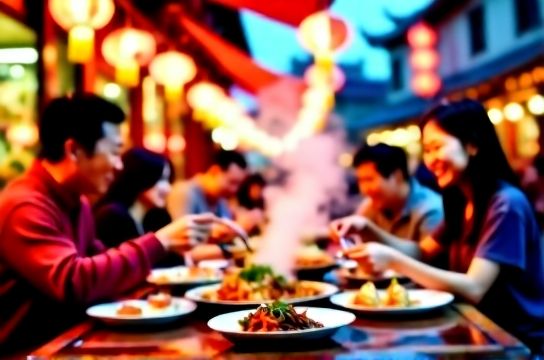
From the fiery spices of Sichuan to the delicate dim sum of Guangdong, every bite tells a story. Let’s dive into how local cuisine reflects the rhythm of daily life across China—and why your taste buds might be your best cultural translator.
The Heartbeat of the Home: Meals as Social Glue
In most Chinese households, meals are communal events. Breakfast might be a quick bowl of congee with pickled vegetables, but dinner? That’s sacred. Families gather, multiple generations share dishes family-style, and silence at the table is rare—laughter, debate, and affection flow as freely as the soy sauce.
A 2023 survey by Nielsen China found that over 78% of urban families still eat dinner together at least five nights a week—much higher than in many Western countries. This isn’t nostalgia; it’s lifestyle.
Regional Flavors, Regional Lives
China’s vast geography shapes its food—and its people. Here’s a snapshot of how regional diets mirror local lifestyles:
| Region | Signature Cuisine | Lifestyle Insight | Key Ingredient |
|---|---|---|---|
| Sichuan | Spicy hot pot, mapo tofu | High humidity = bold flavors; communal dining fosters warmth | Chili & Sichuan pepper |
| Guangdong (Cantonese) | Dim sum, roast meats | Pace of life values freshness and balance; 'yum cha' is social ritual | Fresh seafood & herbs |
| Shaanxi | Biangbiang noodles, roujiamo | Historical trade hub; hearty food for labor-intensive past | Wheat flour |
| Jiangsu | Sweet-savory braised dishes | Prosperous region; cuisine reflects elegance and refinement | Sugar & soy sauce |
Notice a pattern? Climate, history, and economy all simmer in the pot.
Street Food: The Pulse of Urban Life
Walk through any Chinese city at dusk and you’ll see it: glowing stalls, skewers sizzling, steam rising like morning prayers. Street food isn’t just cheap eats—it’s a lifeline. A 2022 report from Meituan, China’s top food delivery platform, revealed that locals spend an average of ¥35 ($5) per street food meal, with vendors serving up to 300 customers daily in busy districts.
Why does this matter? Because grabbing a jianbing (savory crepe) from the same vendor every morning builds routine, trust, and community. It’s fast, yes—but also deeply human.
Seasonality & Tradition: Eating With the Calendar
In China, food follows the seasons—and the festivals. Lantern Festival means tangyuan (sweet rice balls), symbolizing unity. Dragon Boat Festival? Zongzi (sticky rice wrapped in bamboo leaves). These aren’t arbitrary choices; they’re edible traditions passed down for centuries.
This seasonal rhythm teaches patience, respect for nature, and mindfulness—values embedded not in textbooks, but in dumpling wrappers and mooncakes.
Final Bite: Eat Like a Local, Live Like a Local
To understand the local lifestyle in China, don’t just visit landmarks—sit in a neighborhood canteen, try the off-menu dish, ask what’s in season. Let food be your guide. After all, the most authentic China isn’t on a postcard. It’s on a plate.