
The Rhythm of Local Lifestyle China in a Beijing Hutong
- Date:
- Views:244
- Source:The Silk Road Echo
Ever wondered what it’s really like to live like a local in Beijing? Skip the Forbidden City crowds for a sec and dive into the soul of the city—the hutongs. These narrow alleyways aren’t just relics; they’re living, breathing neighborhoods where old-school charm meets modern beats.
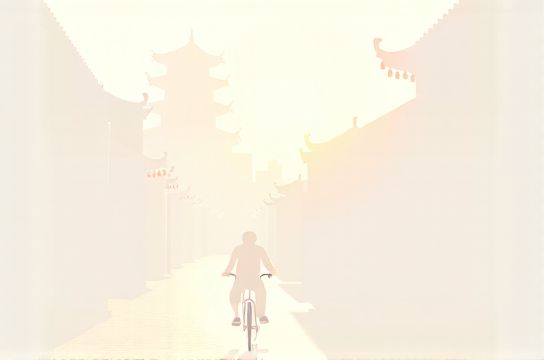
The Heartbeat of Old Beijing
Hutongs are more than just lanes—they’re centuries-old social networks carved in brick and stone. Originating from the Yuan Dynasty (13th century), over 60,000 hutongs once crisscrossed Beijing. Today, fewer than 2,000 remain, making them rare cultural treasures.
Walking through Nanchangzi Hutong or Badaoying, you’ll catch grandmas playing mahjong under red lanterns, uncles bartering at corner shops, and kids zipping by on scooters. It’s slow life in fast-forward China.
Daily Life in the Lanes: A Snapshot
Forget luxury condos—here, community is everything. Shared courtyards, communal toilets (yes, still some!), and open kitchens blur the line between private and public.
| Aspect | Hutong Life | Modern Apartment |
|---|---|---|
| Average Living Space | 40–60 sqm | 80–120 sqm |
| Rent (Monthly) | ¥2,500–4,000 | ¥8,000–15,000 |
| Community Interaction | Daily chats, shared meals | Limited, mostly digital |
| Access to Nature | Courtyard plants, street trees | Balconies, nearby parks |
As one local told me: “We don’t have big houses, but we have big hearts.”
Coffee Shops & Courtyards: The New-Old Blend
You’ll find vintage siheyuan homes now housing artisan cafés and co-working spaces. Places like Shunhe Ju Teahouse or Temple Café blend Ming-era architecture with flat whites and Wi-Fi.
This fusion isn’t accidental. Since 2017, Beijing has invested over ¥1.2 billion in hutong preservation and adaptive reuse. The goal? Keep history alive without freezing it in time.
How to Experience It Like a Local
- Start early: 6:30 AM is tai chi o’clock. Join locals in Beihai Park or just watch the graceful moves in a hidden courtyard.
- Eat street-style: Try jianbing (savory crepes) from a cart, or warm up with lamb soup dumplings at a hole-in-the-wall spot.
- Rent a bike: Ditch the subway. A $1.50 bike rental lets you weave through alleys Google Maps can’t even find.
- Stay overnight: Book a boutique guesthouse like Guesthouse 161—a restored courtyard with modern comforts and zero tourist traps.
Why Hutongs Matter Beyond Nostalgia
In a city racing toward skyscrapers, hutongs offer something priceless: human-scale living. They prove that density doesn’t have to mean isolation. In fact, studies show residents in preserved hutongs report 30% higher community satisfaction than those in high-rises.
They’re also climate-smart: compact design, natural ventilation, and shaded walkways reduce urban heat—something megacities worldwide could learn from.
Final Thoughts: More Than a Tourist Trail
The rhythm of hutong life isn’t performative—it’s persistent. It’s the clatter of breakfast bowls, the gossip over washing lines, the quiet pride in preserving a way of life.
If you want to feel Beijing, not just see it, wander a hutong. Sit on a stool. Share a cup of tea. Let the city breathe around you. That’s where China’s soul still pulses—quietly, proudly, one alley at a time.