
Local Lifestyle China How People Live Beyond Cities
- Date:
- Views:262
- Source:The Silk Road Echo
Ever wondered how life really looks beyond the skyscrapers of Beijing or the neon lights of Shanghai? While megacities grab headlines, rural and small-town China tells a quieter, richer story—one of tradition, resilience, and everyday rhythm. Let’s dive into the real local lifestyle in China beyond the urban buzz.
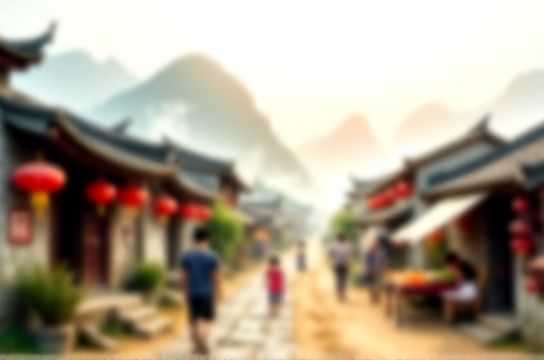
The Pulse of Rural Life
In 2023, about 35% of China’s population—over 500 million people—still live in rural areas, according to the National Bureau of Statistics. These communities thrive on agriculture, seasonal festivals, and tight-knit family networks. Life moves slower, but it’s far from simple.
Mornings start early—often before sunrise—with farmers tending rice paddies, vegetable plots, or tea fields. In Yunnan, for example, tea harvests drive entire village economies. Families work together, preserving techniques passed down for generations. It’s not just farming; it’s heritage.
Daily Routines & Cultural Threads
A typical day might include:
- 5:30 AM – Wake up, feed animals
- 6:30 AM – Head to fields or market
- 12:00 PM – Return home for a hot lunch (often rice, veggies, and seasonal meat)
- 3:00 PM – Resume work or tend to household chores
- 7:00 PM – Family dinner, TV, or chatting with neighbors
Community is everything. You’ll see elders playing mahjong under banyan trees, kids biking to school on dusty roads, and street vendors selling steamed buns from wooden carts. There’s no rush, but there’s purpose.
Modern Touches in Traditional Settings
Don’t think rural means outdated. Thanks to China’s digital push, even remote villages now have 4G access and mobile payment apps like WeChat Pay. A farmer in Guizhou can livestream their harvest and sell directly to city dwellers—a trend known as “digital countryside”.
E-commerce platforms like Pinduoduo have boosted rural incomes by 20–30% in some areas. Young locals are returning home to start online businesses, blending old ways with new tech.
Cost of Living: City vs. Countryside
Here’s a snapshot of average monthly expenses:
| Expense | Major City (e.g., Shanghai) | Rural Area (e.g., Sichuan Village) |
|---|---|---|
| Housing (Rent) | $800 | $50 |
| Food | $300 | $100 |
| Transport | $100 | $20 |
| Utilities | $100 | $30 |
| Total | $1,300 | $200 |
That’s right—life in the countryside costs roughly one-sixth of what it does in top-tier cities. And many families grow their own food, cutting costs even further.
Challenges & Changes
It’s not all idyllic. Younger generations often move to cities for education and jobs, leaving behind aging populations. Some villages face depopulation. Yet, government initiatives like Rural Revitalization are investing in infrastructure, schools, and eco-tourism to keep communities alive.
In places like Anhui’s Hongcun, ancient villages have become UNESCO sites and tourist magnets. Locals run guesthouses, sell handicrafts, and share stories—turning heritage into livelihood.
Why This Matters
Understanding local lifestyle in China beyond cities isn’t just about curiosity—it’s about seeing the soul of the nation. From morning market haggling to festival drumbeats echoing through mountain valleys, these moments define a culture rooted in harmony, hard work, and heart.
So next time you think of China, don’t just picture Shanghai’s skyline. Picture a grandmother hand-pulling noodles, a farmer checking his phone for weather updates, a village square buzzing with laughter. That’s the real China.