
Yangshuo’s Riverside Vendors: Tourism and Tradition Side by Side
- Date:
- Views:227
- Source:The Silk Road Echo
When you stroll along the Li River in Yangshuo, Guangxi, it's not just the karst mountains and emerald waters that steal the show—there’s another quiet magic at play: the riverside vendors. These local entrepreneurs, often dressed in traditional Zhuang attire, are more than just sellers of trinkets and snacks. They’re storytellers, culture keepers, and economic survivors in a tourism-driven world.
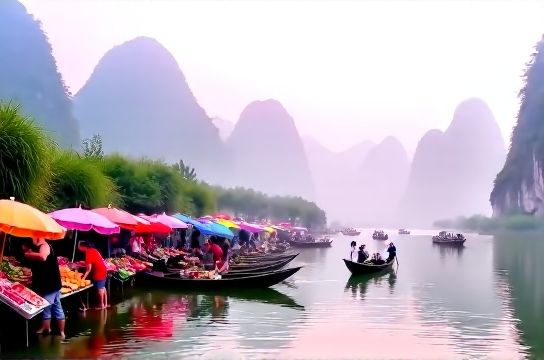
The Pulse of Yangshuo’s Riverside Economy
Every morning, as mist curls off the river like steam from a teacup, vendors set up their little stalls under bamboo umbrellas. Some sell candied hawthorns on sticks, others hand-carve souvenirs or offer fresh starfruit and sugarcane juice. It’s a scene straight out of a travel dream—but behind the charm lies a complex dance between tradition and modernity.
Tourism brings over 15 million visitors annually to Yangshuo (Guangxi Tourism Bureau, 2023), and many flow toward the West Street and riverbanks where these vendors thrive. But how much do they actually earn? And what does this mean for cultural preservation?
Who Are These Vendors?
Most are locals from nearby villages—farmers during planting season, entrepreneurs when tourism peaks. Many are women over 50, carrying decades of folklore, recipes, and craftsmanship in their calloused hands. Their presence isn’t random; it’s a survival strategy shaped by rural economics and China’s booming domestic travel market.
| Vendor Type | Avg. Daily Income (CNY) | Peak Season Months | Cultural Significance |
|---|---|---|---|
| Food Sellers | 200–400 | Apr–Oct | Preserves local recipes (e.g., pickled bamboo, rice cakes) |
| Handicraft Artisans | 150–300 | Sep–Nov (festivals) | Keeps Zhuang weaving & carving traditions alive |
| Photography Props Renters | 300–600 | Mar–Dec | Promotes ethnic fashion (Zhuang outfits) |
Tourism: Blessing or Burden?
On one hand, tourism empowers. A vendor might make more in a single October day than they would farming rice for a week. But there’s pressure too. Local authorities have started regulating stall placements, and competition is fierce. Some younger vendors now use QR codes instead of smiles, trading personal connection for digital convenience.
Yet, the soul remains. One elder vendor, Auntie Lin, told us: “I don’t just sell sugar fruit—I share my childhood.” That emotional thread is something no app can replicate.
Culture on Display—Authentically
What makes Yangshuo special isn’t just scenery—it’s the seamless blend of lived culture and landscape. When you buy a handmade bamboo fan, you’re not just cooling off; you’re funding a grandmother’s grandchild’s school fees. When you sip sugarcane juice crushed on-site, you taste a recipe older than your grandparents.
This authenticity attracts mindful travelers. A 2022 survey found that 68% of international tourists prefer buying directly from local artisans rather than souvenir shops—a shift that benefits riverside vendors directly.
How to Support Responsibly
- Bargain kindly – haggling is normal, but remember their profit margin is thin.
- Ask before photographing – many vendors smile for pics, but respect those who decline.
- Buy experiences, not just things – rent a costume, try a cooking demo, or learn a folk rhyme.
In doing so, you’re not just a tourist—you become part of Yangshuo’s living story.
Final Thoughts
The riverside vendors of Yangshuo are more than background color in your vacation photos. They’re proof that tradition can thrive alongside tourism—if we choose to engage with empathy and curiosity. So next time you’re sipping fresh juice beneath a limestone cliff, take a moment to chat with the person who made it. You might just leave with more than a snack—you’ll carry a piece of Yangshuo’s heart.