
Macau’s Fusion Streets: Where East Meets Lusophone
- Date:
- Views:207
- Source:The Silk Road Echo
Ever wandered down a cobblestone alley where the scent of pastel de nata dances with steaming dim sum? Welcome to Macau — a tiny peninsula where East truly meets West, not just in politics or history, but on every street corner, every plate, and every whispered prayer in ancient temples beside colonial chapels.
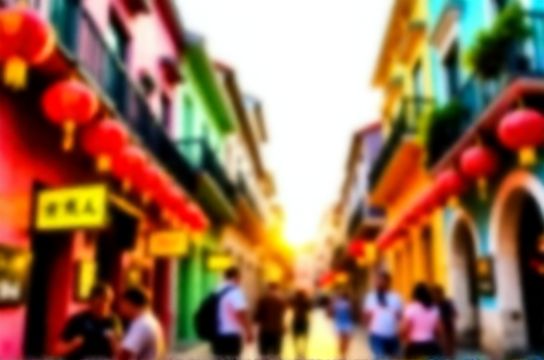
This former Portuguese enclave, now a Special Administrative Region of China, packs a cultural punch way beyond its 30 square kilometers. By day, it’s a maze of heritage sites and hole-in-the-wall eats; by night, neon lights blaze over casinos that rake in five times what Vegas does. But strip away the glitz, and Macau reveals itself as a living museum of Sino-Lusitanian fusion.
The Flavor of Fusion: Macanese Cuisine Unplugged
You can’t talk about Macau without talking food. This is where Chinese woks met Portuguese ovens, birthing Macanese cuisine — one of Asia’s original fusion food scenes. Think African spice, Malay ingredients, and Cantonese technique, all kissed by Portuguese flair.
Dish highlights?
- Minchi: A humble comfort dish of minced meat with soy and fries — often served with a sunny-side-up egg.
- Tacho: A festive stew mixing Chinese sausages, pork, and Portuguese cabbage.
- Diamond Ears (猪头皮): Crispy fried pork skin — crunchy, chewy, and dangerously addictive.
And of course, the crown jewel: Pastel de Nata. While Lisbon claims the original, many say Macau’s version — especially from Lord Stow’s Bakery in Coloane — is creamier, crispier, and dusted with just the right cinnamon kiss.
Fusion in Stone: UNESCO Heritage & Hidden Corners
Wander through the Historic Centre of Macau, a UNESCO World Heritage site, and you’ll see fusion carved in stone. The ruins of St. Paul’s? That’s Baroque architecture with Chinese carvings of dragons and lions. Senado Square? Portuguese wave-patterned pavements under the shadow of Taoist shrines.
Here’s a snapshot of must-see fusion landmarks:
| Site | Cultural Blend | Visitor Rating (2023) |
|---|---|---|
| Ruins of St. Paul’s | Italian design, Japanese craftsmanship, Chinese motifs | 4.8/5 |
| A-Ma Temple | Traditional Taoist temple that inspired Macau’s name | 4.6/5 |
| Guia Fortress & Chapel | Portuguese military architecture with frescoes blending Christian and Asian themes | 4.4/5 |
| Na Tcha Temple | Right next to St. Paul’s — coexistence in action | 4.3/5 |
Living Culture: Festivals & Daily Life
Macau doesn’t just display fusion — it lives it. The calendar swings between Chinese New Year dragon parades and June’s Procession of Our Lady of Fatima, where Catholics march in Portuguese tradition beneath humid skies.
Even language reflects this blend: while Cantonese dominates, you’ll still hear Portuguese in government halls and on street signs. Over 3% of residents speak Portuguese — rare in Asia — and Macau remains the only place in China where Portuguese has official status.
Pro Travel Tips
- Visit Coloane Village for old-world charm and the best pastéis.
- Use the free shuttles from Hong Kong — ferry rides take under an hour.
- Avoid Golden Week crowds; late September to early November is ideal.
Macau isn’t just a stopover. It’s a sensory collision of empires, flavors, and faiths — small in size, massive in soul. Come for the casinos if you must, but stay for the streets where every tile tells two stories.