
Jinan’s Spring Water Culture: From Wells to Wellness
- Date:
- Views:218
- Source:The Silk Road Echo
Nestled in the heart of Shandong Province, Jinan—affectionately known as the ‘City of Springs’—bubbles with history, culture, and natural charm. With over 72 named springs gushing from beneath its streets, this vibrant city isn’t just about scenic beauty; it’s a living testament to how water shapes identity, wellness, and daily life.
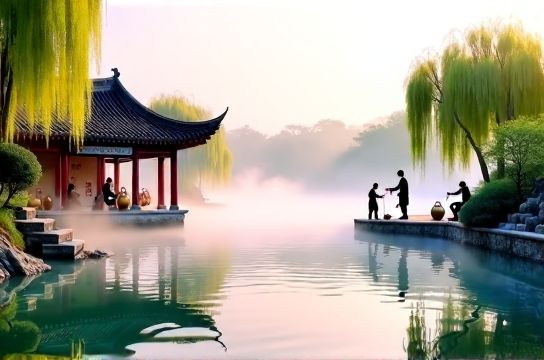
But what makes Jinan’s spring water so special? And how has it evolved from ancient wells into a modern wellness phenomenon? Let’s dive deep—not just into the clear blue pools, but into the cultural currents that keep this city flowing.
The Heartbeat of the City: Why Spring Water Matters
Jinan sits on a unique karst aquifer system, where rainwater filters through limestone over decades before emerging as crystal-clear springs. The most famous, Baotu Spring, erupts at up to 160,000 cubic meters per day—that’s enough to fill over 60 Olympic-sized swimming pools… daily. Locals don’t just admire it; they drink it, bathe in it, and even brew tea with it.
In fact, a 2023 survey by Shandong University found that 68% of residents still collect spring water for home use, believing it’s purer and more energizing than tap or bottled water. Call it tradition, call it trust—but in Jinan, water is wellness.
From Ancient Wells to Modern Spas
Centuries ago, Jinan’s springs were communal lifelines. Families gathered at stone-rimmed wells like Black Tiger Spring, drawing buckets not just for drinking, but for cooking, washing, and socializing. These weren’t just water sources—they were early social networks.
Fast forward to today: while public wells still exist, the spring experience has gone luxe. Upscale spas now offer “spring mineral therapy,” claiming benefits from improved circulation to clearer skin. Even hotels infuse their amenities with spring water—from facial mists to in-room soaking tubs.
Must-Visit Spring Spots (And What They Offer)
If you’re planning a trip, here’s a quick guide to Jinan’s top spring destinations:
| Spring Name | Daily Flow (m³) | Best For | Wellness Perks |
|---|---|---|---|
| Baotu Spring | 160,000 | Sightseeing & Tea Tasting | High in calcium, said to aid digestion |
| Black Tiger Spring | 45,000 | Local Interaction & Water Collection | Rich in magnesium, believed to boost energy |
| Five Dragon Pool | 30,000 | Families & Evening Strolls | Mildly alkaline, soothing for skin |
| Pearl Spring | 20,000 | Photography & Quiet Reflection | Low mineral content, ideal for sensitive systems |
Pro tip: Visit early morning to see locals practicing tai chi beside the springs or filling glass jugs to take home. It’s not just tourism—it’s tradition in motion.
Spring Water & Sustainability: What’s Next?
With urban growth comes pressure. In the 1990s, over-pumping caused Baotu Spring to go dry for two years—an alarm bell for the city. Since then, strict groundwater regulations and seasonal monitoring have kept the springs flowing.
Tourism also plays a role. Eco-conscious visitors are encouraged to refill reusable bottles instead of buying plastic, and many local businesses now proudly display “Spring Water Certified” labels.
Final Thoughts: More Than Just Water
Jinan’s spring water isn’t just a resource—it’s a rhythm. It connects past and present, body and spirit, nature and nurture. Whether you’re sipping tea at Baotu or soaking your feet at Black Tiger, you’re not just experiencing a place—you’re becoming part of its flow.
So next time you’re in China, skip the usual hotspots. Head to Jinan. Let the springs surprise you. After all, wellness doesn’t always come in a bottle—sometimes, it bubbles right up from the earth.