
Nanning’s Cross-Border Trade: Vietnamese Vibes and Chinese Roots
- Date:
- Views:231
- Source:The Silk Road Echo
If you're into vibrant markets, spicy street food, and cross-border commerce that feels like a cultural mash-up in the best way possible, then Nanning, Guangxi is your next must-visit. Nestled right near the Vietnam border, this bustling southern city isn’t just China’s gateway to Southeast Asia—it’s where Chinese efficiency meets Vietnamese flair in a dance of trade, taste, and tradition.
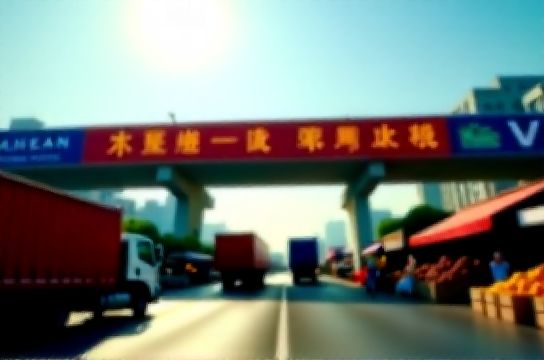
Why Nanning? The Border Economy Boom
Nanning has quietly become one of China’s most strategic trade hubs. Thanks to the China-ASEAN Free Trade Area and initiatives like the Belt and Road, cross-border trade here surged to $57.8 billion USD in 2023, with Vietnam accounting for nearly 40% of that flow. That’s not just numbers—that’s trucks loaded with lychees, electronics, textiles, and even electric scooters zipping across the Friendship Pass daily.
The China-Vietnam Border Economic Cooperation Zone in Pingxiang (just 160km from Nanning) acts as a logistics powerhouse. Here’s a snapshot of key traded goods:
| Product Category | Annual Volume (2023) | Main Exporter |
|---|---|---|
| Fresh Fruit (Lychee, Durian) | 1.2 million tons | Vietnam → China |
| Electronics & Components | $8.3 billion | China → Vietnam |
| Textiles & Garments | $5.7 billion | China → ASEAN |
| Agricultural Machinery | 210,000 units | China → Vietnam |
Culture Clash? More Like Culture Collide—in a Good Way
Walk through Nanning’s Zhuangshi Market, and you’ll hear Vietnamese vendors haggling in fluent Nanning-accented Mandarin. You’ll smell pho simmering next to clay-pot rice, and spot motorbikes decked out with both Chinese license plates and Vietnamese stickers. It’s not fusion—it’s everyday life.
This cultural blend goes deep. Over 30,000 Vietnamese traders live or work in Nanning annually, many running small import-export businesses or restaurants. Meanwhile, Chinese entrepreneurs are snapping up farmland and warehouses in Lang Son, Vietnam, creating a two-way economic street.
Trade Meets Tech: Digital Cross-Border Commerce
It’s not all trucks and handshakes. Platforms like Lazada and Pinduoduo’s cross-border arm are linking Nanning suppliers directly to Vietnamese consumers. In 2023, e-commerce accounted for 22% of total trade volume between the two regions—up from just 9% in 2020.
Local startups are cashing in. One Nanning-based company, Yuehai Global Logistics, slashed delivery times from 7 days to under 48 hours using AI-powered customs clearance bots. Talk about smart borders.
Travel Tip: How to Experience the Trade Vibe
- Visit the Nanning International Trade Fair (held every September)—it’s packed with Vietnamese coffee brands, Guangxi tea exporters, and live demo zones.
- Take the D-series train to Hanoi—yes, it’s real! The Nanning–Hanoi rail link takes ~4 hours and costs around $35 one-way. Bring your passport and an appetite.
- Eat like a trader: Try “Viet-Chinese Banh Mi” at Old Town Corner—it’s got pickled daikon, cilantro, and Chinese sausage. Trust us.
Nanning isn’t just moving goods—it’s blending worlds. Whether you’re a business buyer, digital nomad, or foodie with a passport, this city proves that when borders open, culture thrives.