
Chongqing Hotpot Culture: More Than Just a Meal
- Date:
- Views:236
- Source:The Silk Road Echo
If you've ever stepped into Chongqing, China, you know one thing hits you first — the spicy aroma wafting from every corner. That's right, we're talking about Chongqing hotpot, a culinary experience that's equal parts fire, flavor, and culture. But this isn't just dinner — it's a full-blown social ritual, a love letter to bold taste, and a symbol of local pride.
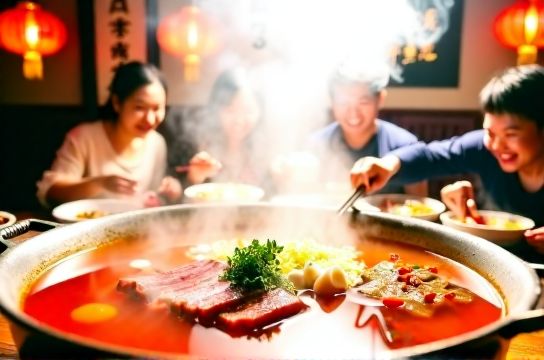
Originating in the early 20th century along the Yangtze River, dockworkers craved something warm, cheap, and hearty. Enter the bubbling cauldron of red oil, Sichuan peppercorns, and chili. Fast forward to today, and Chongqing boasts over 30,000 hotpot restaurants — that’s roughly one for every 1,000 residents!
What sets Chongqing hotpot apart? It’s all about the ma la — that signature numbing (ma) and spicy (la) sensation brought by fresh Sichuan peppercorns and dried chilies. Forget mild broths; here, the soup base simmers with lard, doubanjiang (fermented broad bean paste), and a secret blend of over 30 spices.
The Anatomy of a True Chongqing Hotpot
Let’s break it down. A classic setup features:
- A divided pot: one side fiery red, the other mild (usually clear broth or tomato)
- Dipping sauces: sesame oil, garlic, cilantro, and sometimes peanut butter
- Ingredients: beef tripe, duck blood, quail eggs, lotus root, and handmade fish balls
But don’t just eat — experience. Hotpot is communal. Friends huddle around the pot, chopsticks diving in, laughter rising with the steam. It’s democracy on a tabletop — no hierarchy, just shared heat.
Hotpot by the Numbers
| Statistic | Data |
|---|---|
| Annual Hotpot Consumption (China) | Over 6 million tons |
| Chongqing Hotpot Restaurants | ~30,000 |
| Top Ingredient | Beef Tripe (95% of tables order it) |
| Avg. Spiciness Level (Scoville Scale) | 15,000–30,000 SHU |
| Most Popular Time to Eat | 7–9 PM (Weekends) |
Now, let’s talk heat. The average Chongqing hotpot clocks in between 15,000 to 30,000 Scoville Heat Units — hotter than a jalapeño, but not quite habanero territory. Still, newcomers often gasp after their first bite. Pro tip: sip cold beer or sweet tofu pudding to cool down — never water!
And yes, there’s even a Hotpot Museum in Chongqing, celebrating everything from ancient cooking tools to modern-day hotpot fashion (yes, people wear hotpot-themed T-shirts).
Why It Matters Beyond Taste
Chongqing hotpot isn’t just food — it’s identity. Locals say, “The spicier the pot, the warmer the heart.” In a city known for its foggy hills and fiery temper, hotpot mirrors the soul: intense, welcoming, and unapologetically bold.
It’s also big business. The Chongqing hotpot industry generates over $10 billion annually, with chains like Xiaolongkan and De La spreading globally. From LA to London, fans are diving into that red oil, chasing the ma-la high.
So next time you sit down for hotpot, remember — you’re not just eating. You’re joining a centuries-old tradition of connection, resilience, and flavor that runs deep in Chongqing’s veins.