
The Poetry of Ordinary Life: Finding Beauty in China’s Urban Alleyways
- Date:
- Views:319
- Source:The Silk Road Echo
You know what’s seriously underrated? Walking. Not hiking some epic mountain trail or strolling through a fancy European garden—just walking through the backstreets of a Chinese city. No tourists, no neon signs, no crowds. Just life. Real, messy, beautiful life.
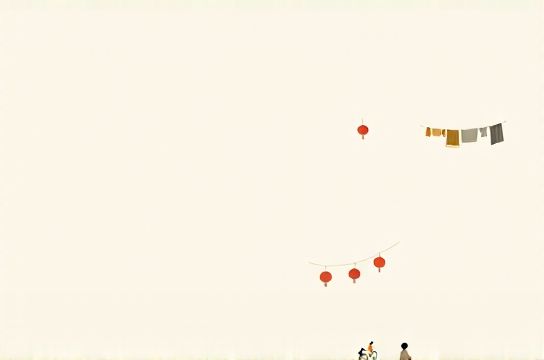
I’m talking about those narrow alleyways—hutongs in Beijing, longtangs in Shanghai, or whatever locals call them in Chengdu or Xi’an. These aren’t postcard spots. They’re where people live, argue, cook, nap, and laugh. And honestly? That’s where the magic is.
Forget the bullet trains and skyscrapers for a sec. The soul of China isn’t always in the shiny stuff. It’s in the old man playing erhu on a folding stool at 7 a.m., the auntie yelling at her grandson to finish his congee, the laundry hanging between buildings like accidental art installations. It’s in the smell of frying baozi mixing with wet concrete after rain.
These alleyways move at a different pace. Time slows down. You see things you’d miss otherwise—a cat napping on a windowsill, a faded red wedding poster peeling off a wall, kids drawing chalk stars on the pavement. It’s not perfect. Some alleys are cramped, damp, maybe even a little grimy. But that’s the point. This isn’t curated. It’s alive.
And get this—these spaces are disappearing. Fast. High-rises go up, neighborhoods get ‘modernized,’ and suddenly, everything looks the same. But in the places that remain, there’s a kind of poetry. Not the kind you read in books (though you should totally check out some contemporary Chinese poets who write about urban life). I mean the everyday poetry: the rhythm of brooms sweeping stone, the clatter of mahjong tiles, the way sunlight hits a courtyard at noon.
People here know how to make do. A single outlet powers three phone chargers. A plastic stool serves as chair, step-ladder, and side table. Nothing goes to waste. There’s a quiet resilience in that—a kind of beauty born from simplicity.
And don’t even get me started on food. Step into any alley kitchen and you’ll find dumplings folded by hand, noodles pulled fresh, soups simmered for hours. No frills, just flavor. It’s comfort food with a side of history.
So next time you’re in a Chinese city, skip the mall. Ditch the guided tour. Turn left instead of right. Wander. Get lost. Let an old grandma offer you tea. Watch a street vendor flip pancakes like it’s performance art. Listen. Breathe. That’s where you’ll find the real story—not in the headlines, but in the hum of daily life.
Because sometimes, the most extraordinary thing you can do is notice the ordinary.