
From Farm to Wok: How Village Markets Fuel China’s Culinary Soul
- Date:
- Views:226
- Source:The Silk Road Echo
Picture this: dawn breaks over a misty Chinese village, roosters crow, and the smell of fresh bamboo shoots and sizzling scallion oil floats through the air. Welcome to a local village market—where your dinner started long before it hit the wok. These bustling hubs aren’t just shopping spots; they’re the beating heart of China’s food culture, where tradition meets taste in the most delicious way possible.
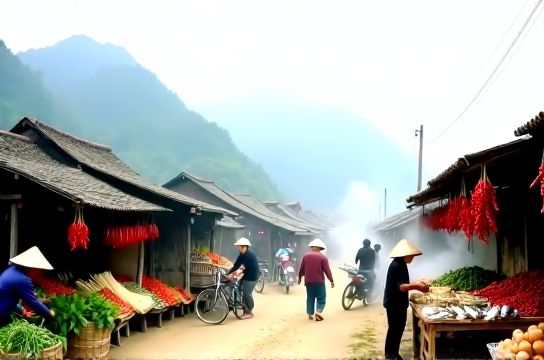
Forget sterile supermarkets and plastic-wrapped produce. In villages across China, farmers haul in crates of just-picked bok choy, hand-dug ginger, and free-range eggs still warm from the nest. Vendors shout deals, neighbors haggle over daikon radishes, and grandmas inspect every mushroom like it’s a precious gem. It’s chaotic, colorful, and 100% real.
What makes these markets so special? For starters, freshness you can actually taste. That morning’s harvest lands in your stir-fry by noon. No weeks in cold storage, no cross-country shipping. Just soil, sun, and sweat turning into flavor. Think about that juicy Napa cabbage in your dumplings or the peppery bite of homegrown garlic—it all starts here.
But it’s not just about ingredients. Village markets are where recipes live and grow. Ask Auntie Li how to pick the best eggplant for mapo tofu, and she’ll teach you to press it gently and check the stem. Need the perfect greens for hot pot? The chili-seller knows which leaf holds up to broth without turning mushy. This isn’t just commerce—it’s culinary mentorship passed down with every bundle of cilantro.
And let’s talk flavor. When ingredients are hyper-local and seasonal, dishes sing. Winter brings tender yu cai (mustard greens); summer bursts with bitter melon and lotus root. Even street vendors rely on these markets, whipping up steaming jianbing crepes or skewers of spiced lamb using the same suppliers as home cooks. The supply chain? Short, simple, and sustainable.
Beyond taste, these markets strengthen community. Farmers earn fair prices. Families eat better. And tourists? They get an authentic slice of Chinese life—one that no five-star kitchen can fake. In a world obsessed with speed and scale, village markets remind us that good food takes time, care, and connection.
So next time you slurp noodles or crunch into a spring roll, remember: chances are, somewhere in rural China, a farmer just handed a basket of veggies to a smiling vendor at dawn. That’s the real secret behind China’s soulful cuisine—not fancy gadgets or celebrity chefs, but dirt-under-the-nails dedication from farm to wok.