
Living Culture: Participating in Ethnic Festivals Across Yunnan and Guizhou
- Date:
- Views:232
- Source:The Silk Road Echo
Want a real taste of China's cultural soul? Skip the crowded tourist traps and dive into the vibrant, drum-pounding, color-blazing world of ethnic festivals in Yunnan and Guizhou. These southwestern provinces aren’t just scenic—they’re living museums where tradition dances in full color every spring and summer.
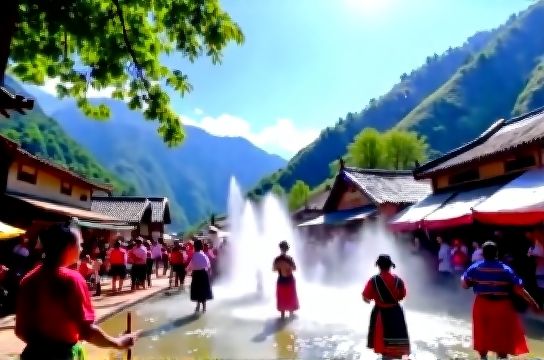
Home to over 50 ethnic minority groups—like the Dong, Miao, Bai, and Dai—Yunnan and Guizhou celebrate identity through festivals that blend music, ritual, fashion, and food like nowhere else on Earth. Think dragon dances under misty mountains, girls in silver headdresses twirling at midnight bonfires, and rice wine flowing like rivers.
One standout? The Miao New Year Festival in Guizhou’s Kaili City draws over 200,000 visitors annually. Locals honor ancestors with bullfights, Lusheng pipe orchestras, and traditional batik displays. Meanwhile, in Yunnan, the Dai Water-Splashing Festival (mid-April) transforms Xishuangbanna into a massive water fight—symbolizing cleansing and renewal. It pulls nearly 500,000 tourists each year, boosting local revenue by an estimated ¥300 million.
Here’s a quick snapshot of must-see celebrations:
| Festival | Ethnic Group | Location | Best Time to Visit | Key Highlights |
|---|---|---|---|---|
| Water-Splashing Festival | Dai | Xishuangbanna, Yunnan | April 13–15 | Water fights, Buddhist rituals, peacock dance |
| Miao New Year | Miao | Kaili, Guizhou | November (lunar calendar) | Bullfighting, silver jewelry parade, Lusheng music |
| Third Month Street Festival | Bai | Dali, Yunnan | April | Horse racing, folk singing, handicraft markets |
| Dong Grand Choir Festival | Dong | Sanbao Village, Guizhou | January–February | A cappella choral performances, drum tower gatherings |
Travel tip: Book homestays early! Staying with local families not only supports communities but gives you backstage access to pre-festival rituals—like helping shape sticky rice cakes or learning a verse of a 1,000-year-old chant.
These festivals aren’t performances for tourists—they’re sacred expressions of heritage. So when you go, respect the dress codes, ask before photographing ceremonies, and maybe learn a few phrases in the local dialect. Trust us, your effort will be repaid with smiles, songs, and stories you won’t find in any guidebook.
In a world of cookie-cutter travel, Yunnan and Guizhou offer something rare: culture that breathes, dances, and invites you in.