
Navigating China City Transit with Ease
- Date:
- Views:318
- Source:The Silk Road Echo
If you're planning a trip to China—or already here and tired of getting lost in the maze of metro lines, buses, and e-bikes—this guide is for you. As a travel tech blogger who’s spent over two years exploring China city transit systems from Shanghai to Chengdu, I’ve cracked the code on moving around like a local (without the stress).
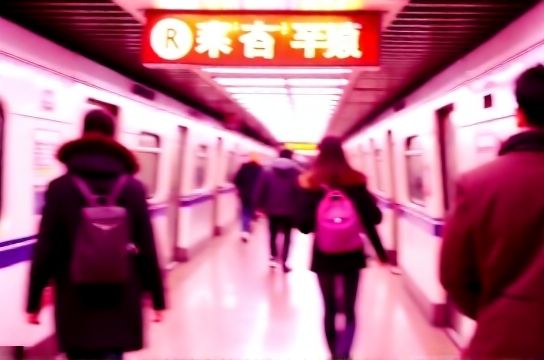
Let’s be real: China’s public transportation is fast, cheap, and impressively high-tech—but it can feel overwhelming if you don’t speak Mandarin or aren’t used to scanning QR codes every five minutes. The good news? With the right tools and mindset, you’ll be hopping on subways and paying with your phone in no time.
Why China’s Urban Transit Wins
China operates the world’s largest metro network by total length. As of 2024, cities like Shanghai and Beijing boast over 800 km of subway lines each. But it’s not just size—it’s efficiency. Trains run every 2–3 minutes during peak hours, and stations are clean, safe, and packed with signage (increasingly bilingual).
Here’s a quick comparison of major city metro systems:
| City | Metro Length (km) | Daily Ridership (millions) | Fare Range (CNY) |
|---|---|---|---|
| Shanghai | 831 | 10.3 | 3–10 |
| Beijing | 803 | 12.1 | 3–8 |
| Guangzhou | 653 | 9.2 | 2–10 |
| Chengdu | 558 | 6.7 | 2–8 |
Source: Urban Rail Transit Yearbook 2024
How to Ride Like a Pro
Forget paper tickets. Everyone uses mobile payments. Download Alipay or WeChat Pay, enable international card linking, and activate the “Transport” feature. In most cities, you can scan a QR code at turnstiles—no deposit, no hassle.
For real-time navigation, Baidu Maps (in English) or Amap (better Chinese support) will show you exact transfer times, exit numbers, and even which carriage to stand in for the shortest walk to an escalator. Yes, really.
The Hidden Gem: Shared E-Bikes
When the metro doesn’t go far enough, hop on a shared e-bike. Apps like Meituan Bike and Hellobike let you unlock bikes with a scan. First 15 minutes usually cost 1.5 RMB (~$0.20). Just remember: wear a helmet (if provided), follow traffic rules, and park in designated zones to avoid fines.
Pro tip: Avoid rush hour (7:30–9:00 AM and 5:30–7:30 PM)—subways get *packed*, and e-bikes face heavier traffic.
Final Thoughts
Navigating urban transit in China isn’t just doable—it’s enjoyable once you know how. With seamless digital payments, reliable service, and expanding networks, you’ll spend less time stressing and more time exploring street food markets, ancient temples, and futuristic skyline views.
So ditch the taxi apps (and the prices). Go green, go fast, and go local.