
Sailing the Grand Canal: Tracing China’s Historic Waterway
- Date:
- Views:305
- Source:The Silk Road Echo
Ever dreamed of gliding through ancient waterways, where history whispers from every ripple? Welcome to the Grand Canal of China — a 1,776-kilometer liquid highway that's older than most nations. More than just a canal, it's a floating timeline stretching back over 2,500 years, connecting Beijing to Hangzhou and stitching together dynasties, cultures, and cuisines.
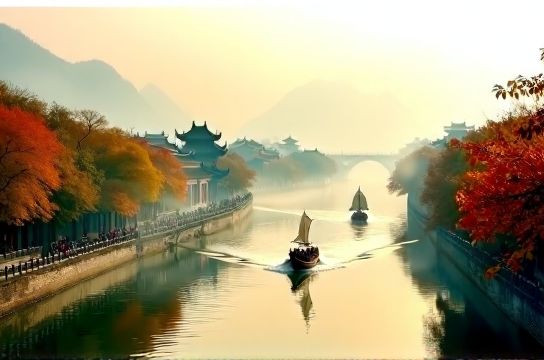
Built in phases starting from the 5th century BCE and perfected during the Sui Dynasty (581–618 CE), the Grand Canal isn’t just the longest artificial river in the world — it’s also a UNESCO World Heritage Site and an engineering marvel that once fueled China’s economic engine.
Today, travelers can explore its legacy not just in textbooks, but by boat. Whether you're hopping on a short cultural cruise near Suzhou or tracing its full historic arc, the Grand Canal offers a serene, scenic, and soul-stirring journey through rural villages, silk towns, and imperial pasts.
Why Sail the Grand Canal?
Unlike crowded tourist trails, this route is a slow travel dream. It’s perfect for culture lovers, history buffs, and anyone craving authentic China beyond neon-lit cities.
Here’s a snapshot of what makes it legendary:
| Fact | Detail |
|---|---|
| Length | 1,776 km (1,104 miles) |
| Construction Started | 5th century BCE |
| UNESCO Listed | 2014 |
| Connects | Yellow River & Yangtze River |
| Major Cities Along Route | Beijing, Tianjin, Jining, Yangzhou, Suzhou, Hangzhou |
Top Stops for Modern Explorers
- Suzhou: Known as the 'Venice of the East,' glide past classical gardens and whitewashed houses with arched bridges overhead. Evening cruises here feel like floating through a Chinese ink painting.
- Yangzhou: A former hub of scholars and poets. Don’t miss the Slender West Lake boat ride — poetic, peaceful, and packed with pavilions.
- Hangzhou: The southern terminus, where the canal meets West Lake. Combine your trip with tea-picking in Longjing Village.
And yes — parts of the canal are still busy with cargo ships today. In fact, it handles over 500 million tons of freight annually, proving it’s not just a relic, but a living waterway.
Tips for Travelers
Want to sail like a local? Go in spring (March–May) when willow trees bloom and crowds are thin. Book a half-day heritage cruise — they cost around $15–25 USD and include English commentary.
For the bold, multi-day boutique barge tours are emerging, blending luxury with history. Think wooden boats with modern cabins, serving dim sum at sunrise.
The Grand Canal isn’t just about moving water — it’s about moving through time. So skip the bullet train for once. Let the current carry you through centuries.